A billion-year
pattern
shaped by life
One of the only known stromatolitic stones available at architectural scale.
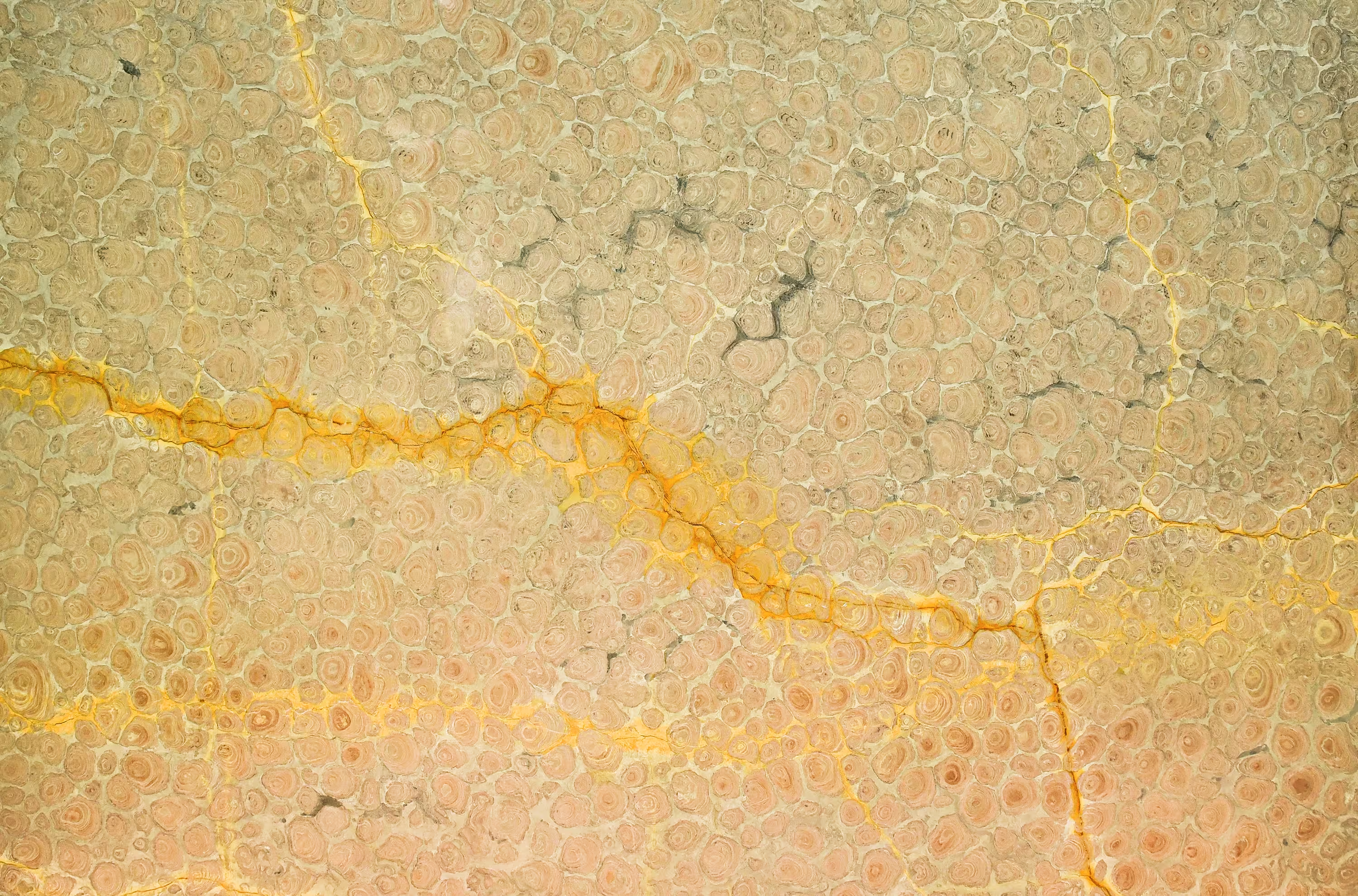
Quarry
(01)
Annovskoye deposit, Ural Mountains, Russia
938–964 million years
.avif)
Color
Grey
Dimensions
300 × 170 cm
Thickness
20 mm
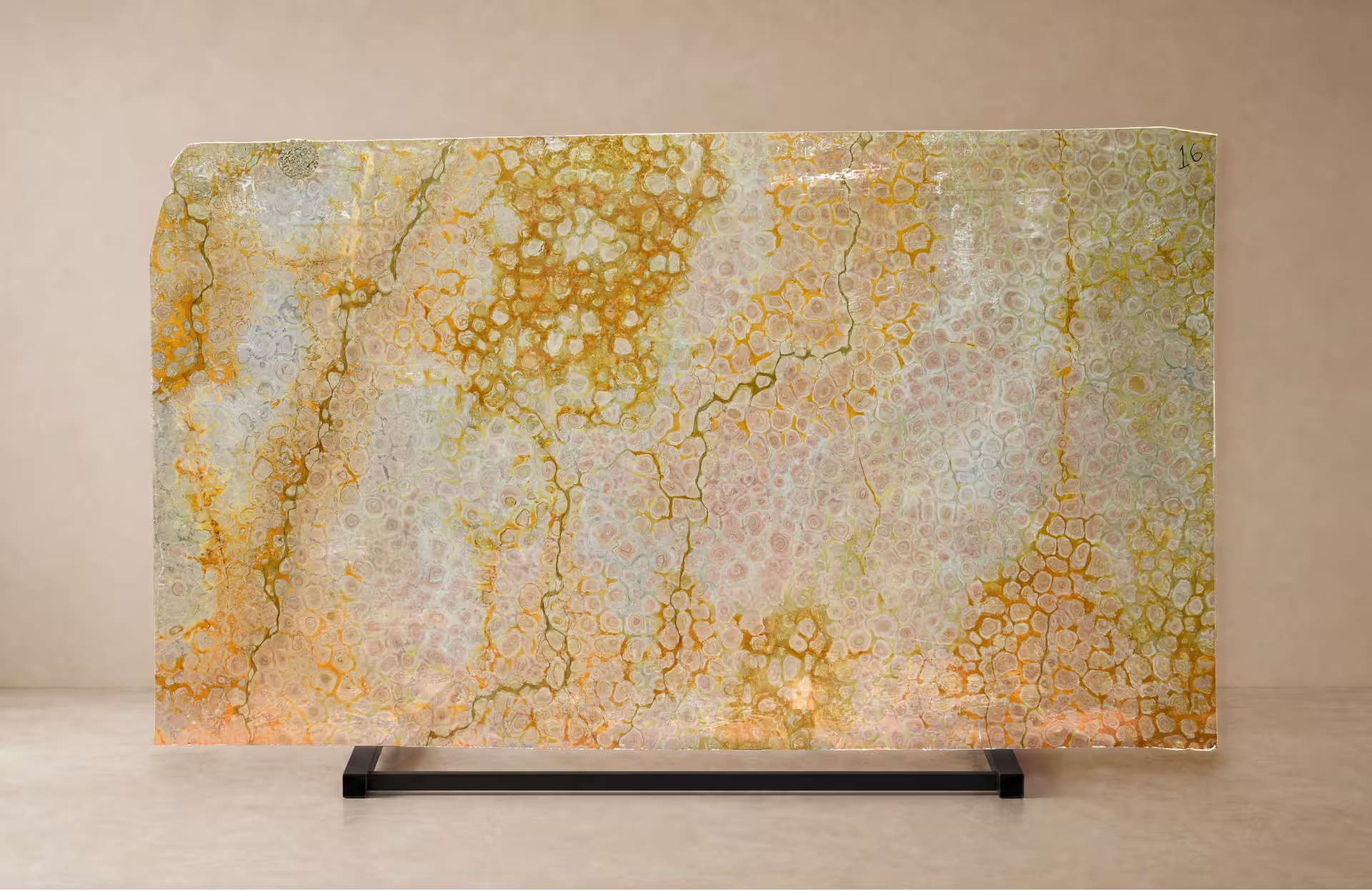
Color
Mixed
Dimensions
300 × 170 cm
Thickness
20 mm
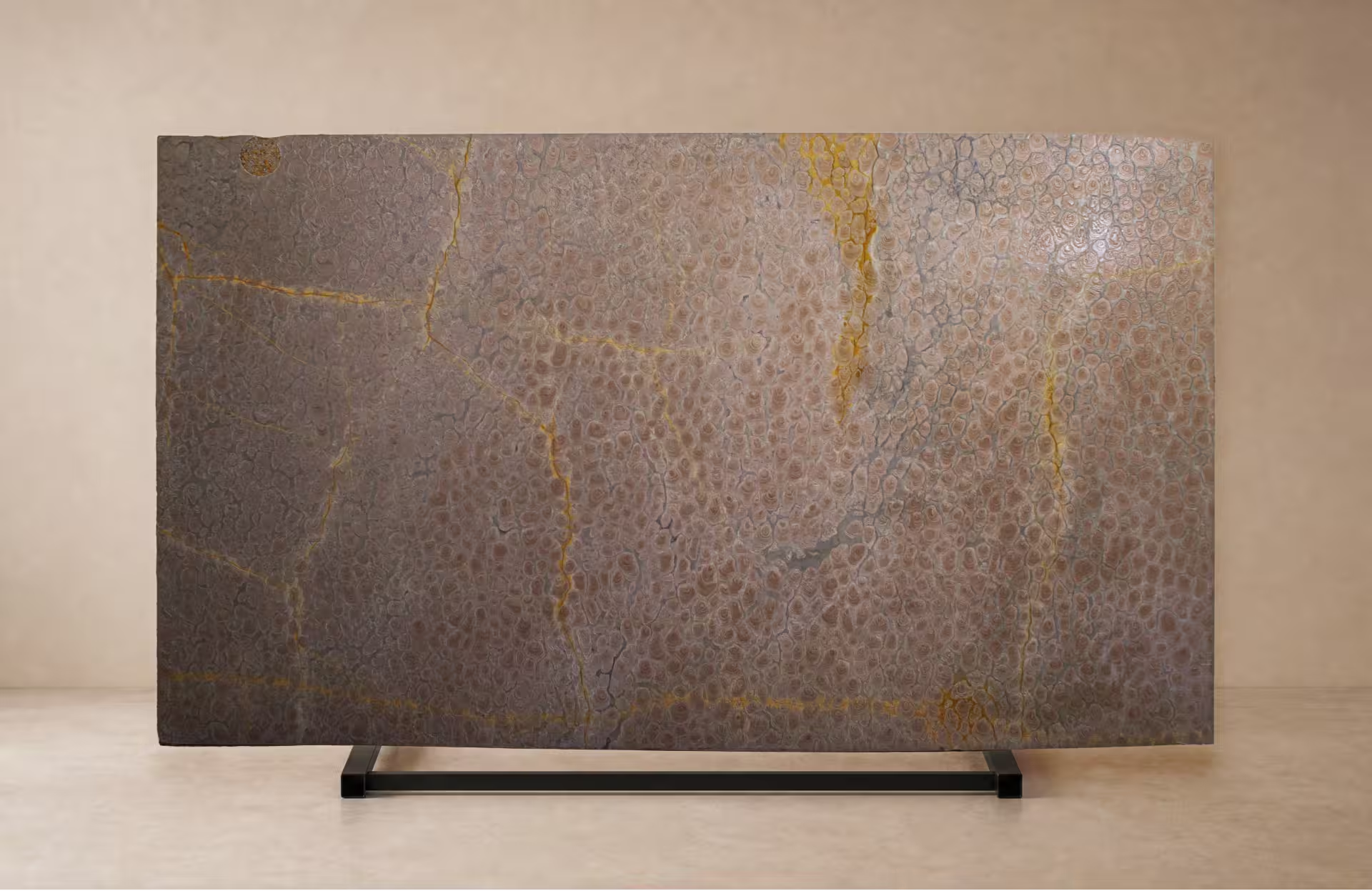
Color
Bordeaux
Dimensions
300 × 170 cm
Thickness
20 mm
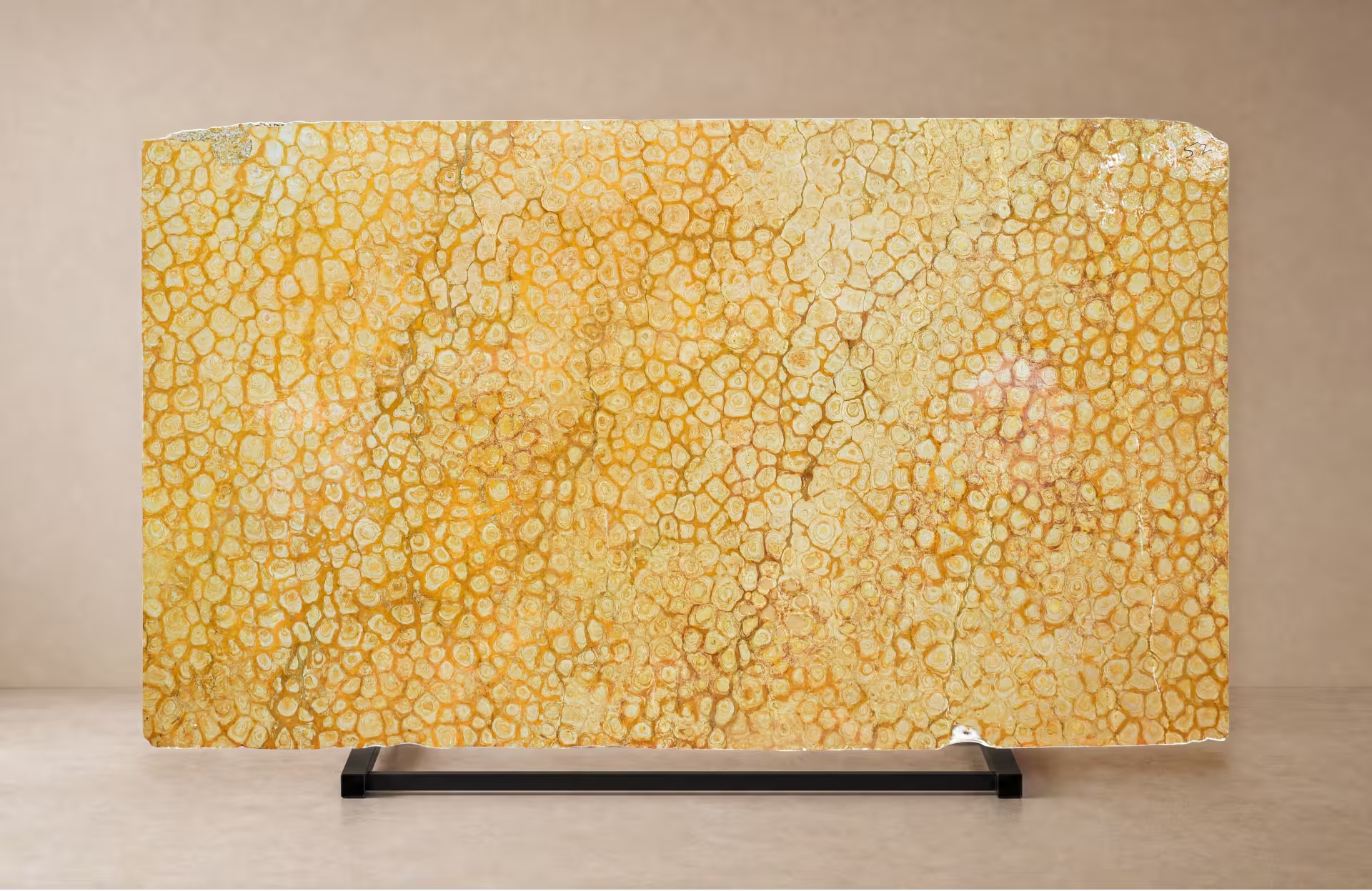
Color
Gold
Dimensions
300 × 170 cm
Thickness
20 mm
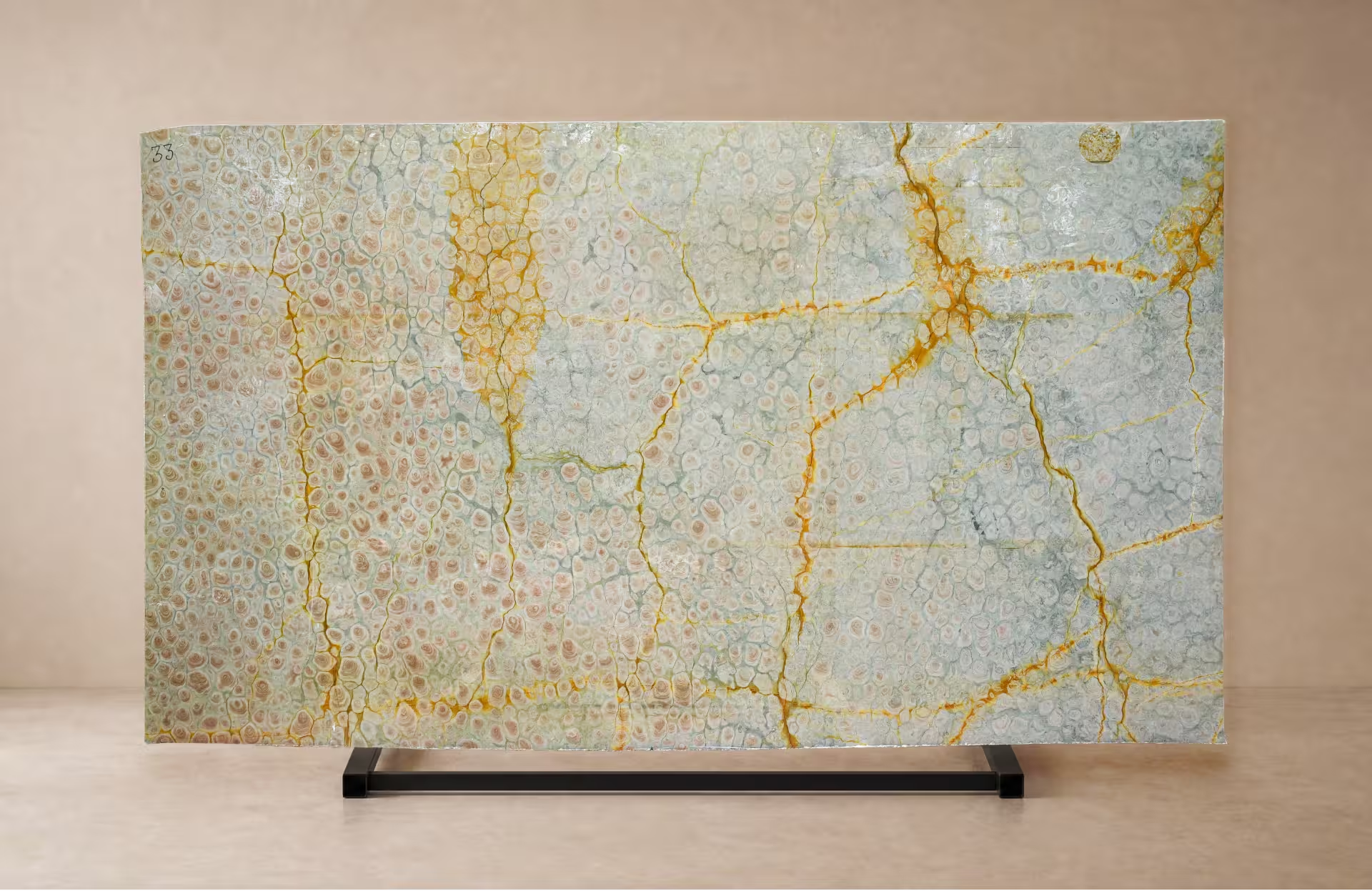
Color
Mixed
Dimensions
300 × 170 cm
Thickness
20 mm
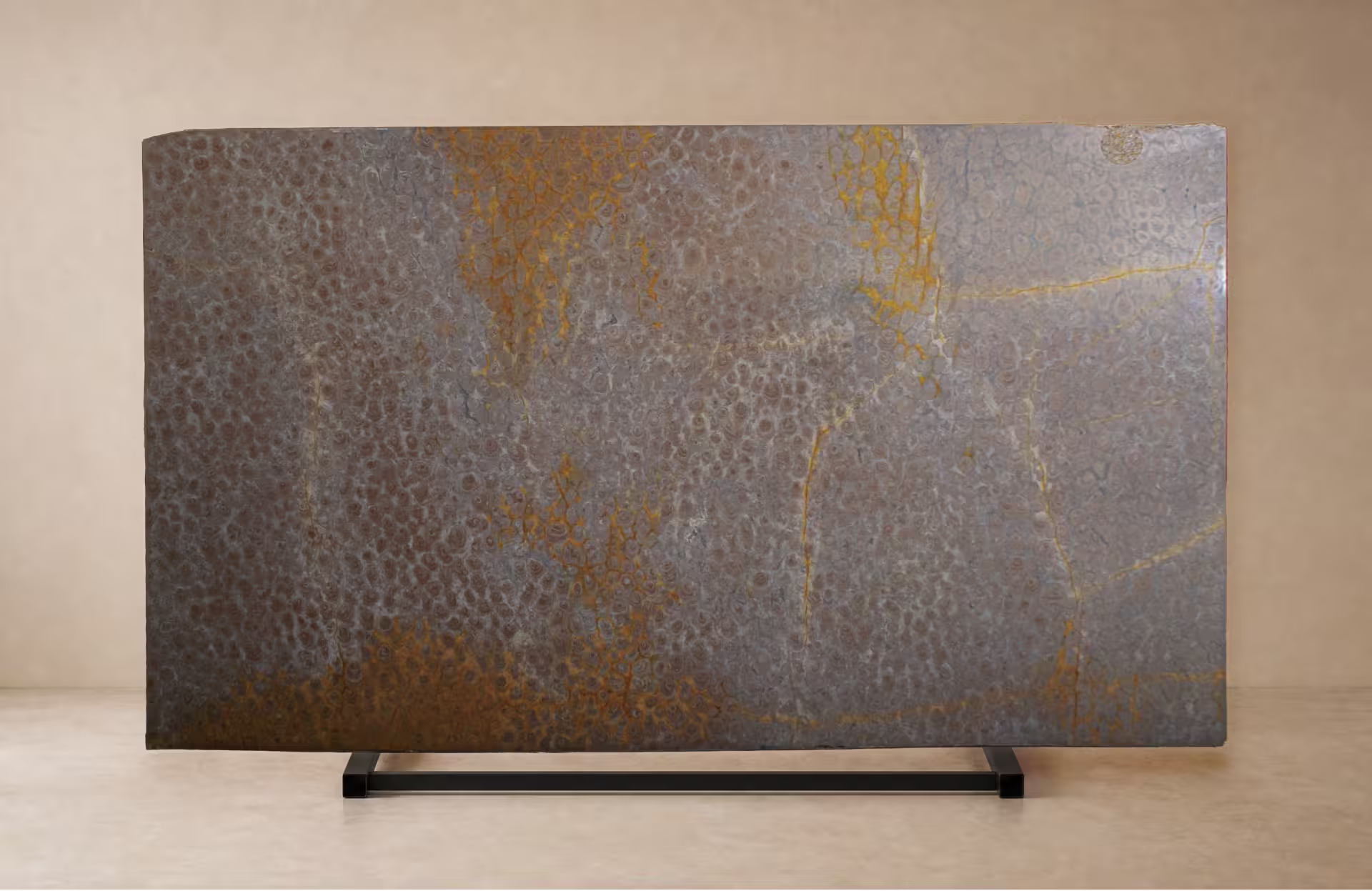
Color
Bordeaux
Dimensions
300 × 170 cm
Thickness
20 mm
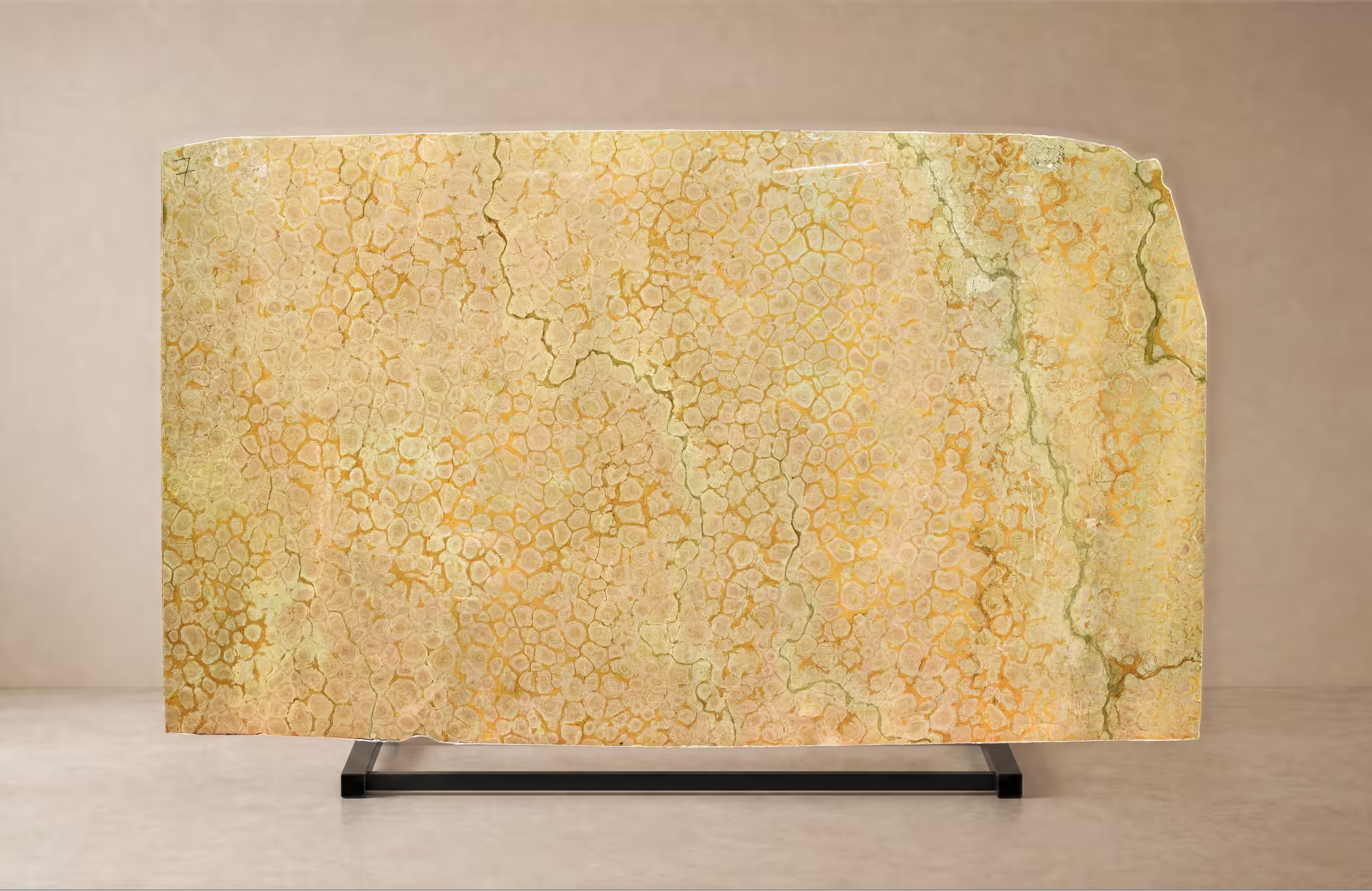
Color
Gold
Dimensions
300 × 170 cm
Thickness
20 mm
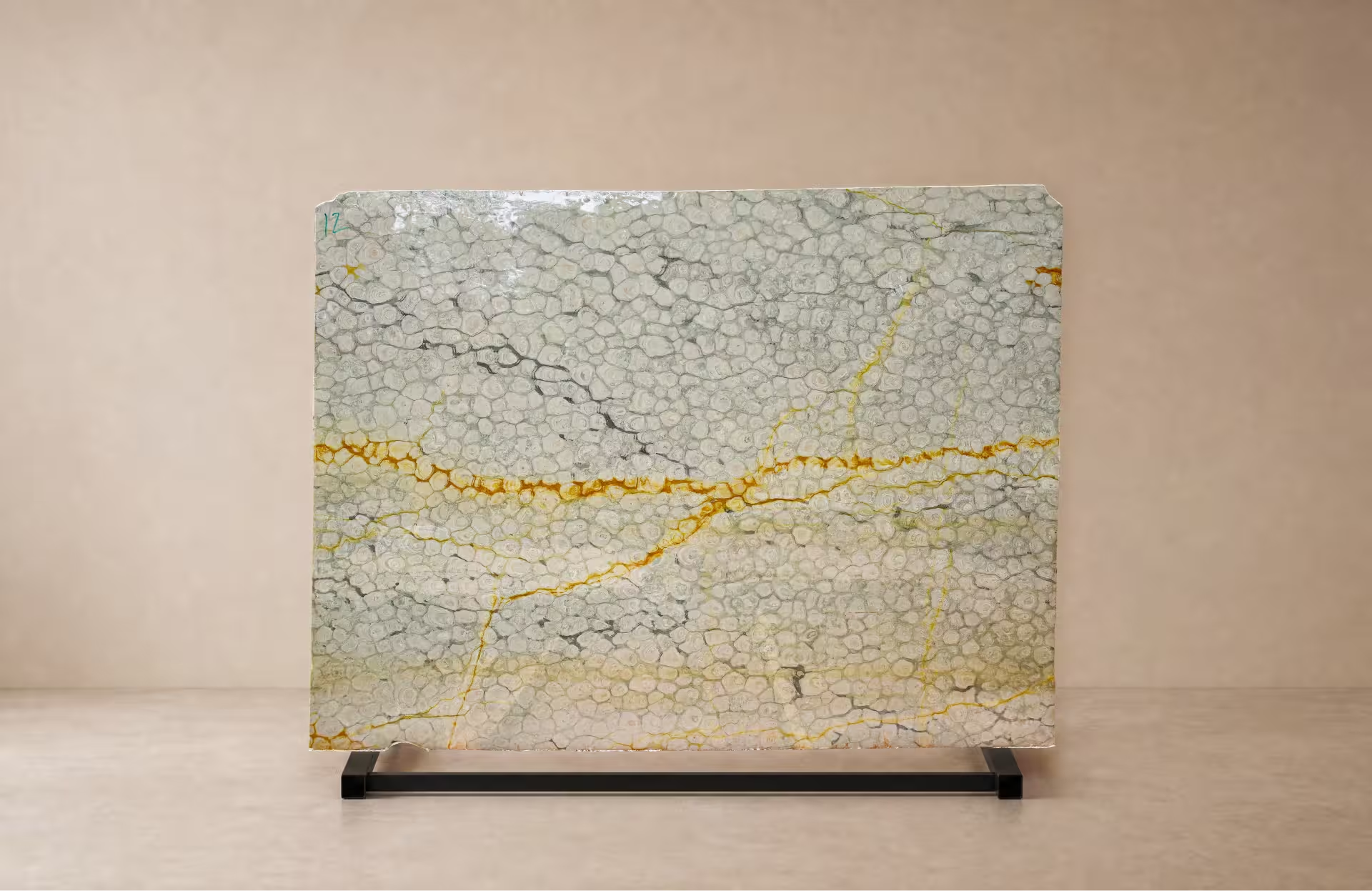
Color
Grey
Dimensions
200 × 150 cm
Thickness
20 mm
Cut and Pattern
(03)
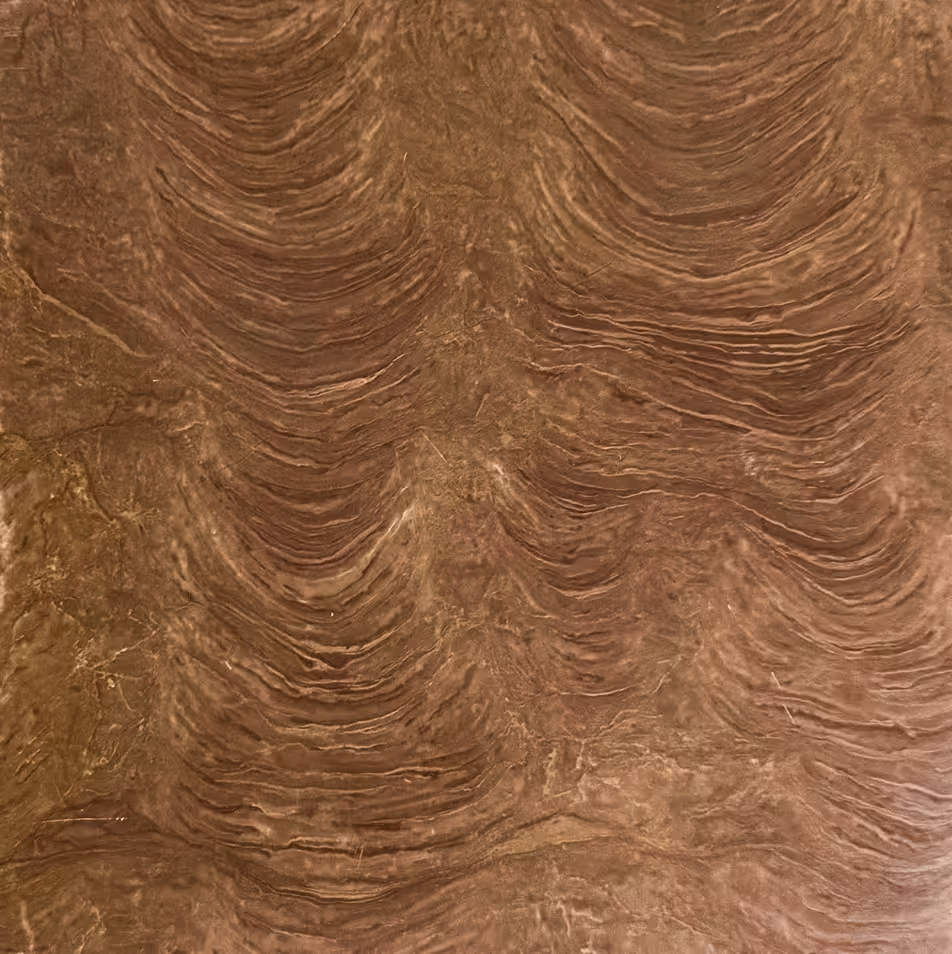
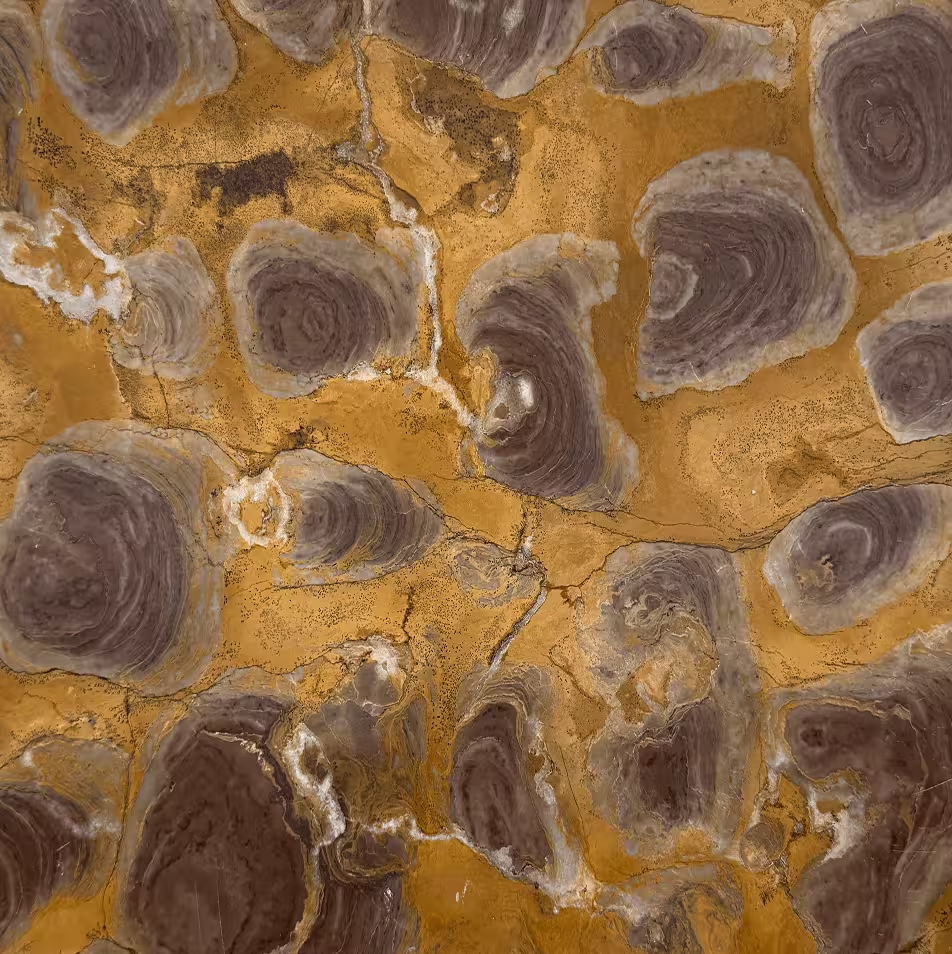
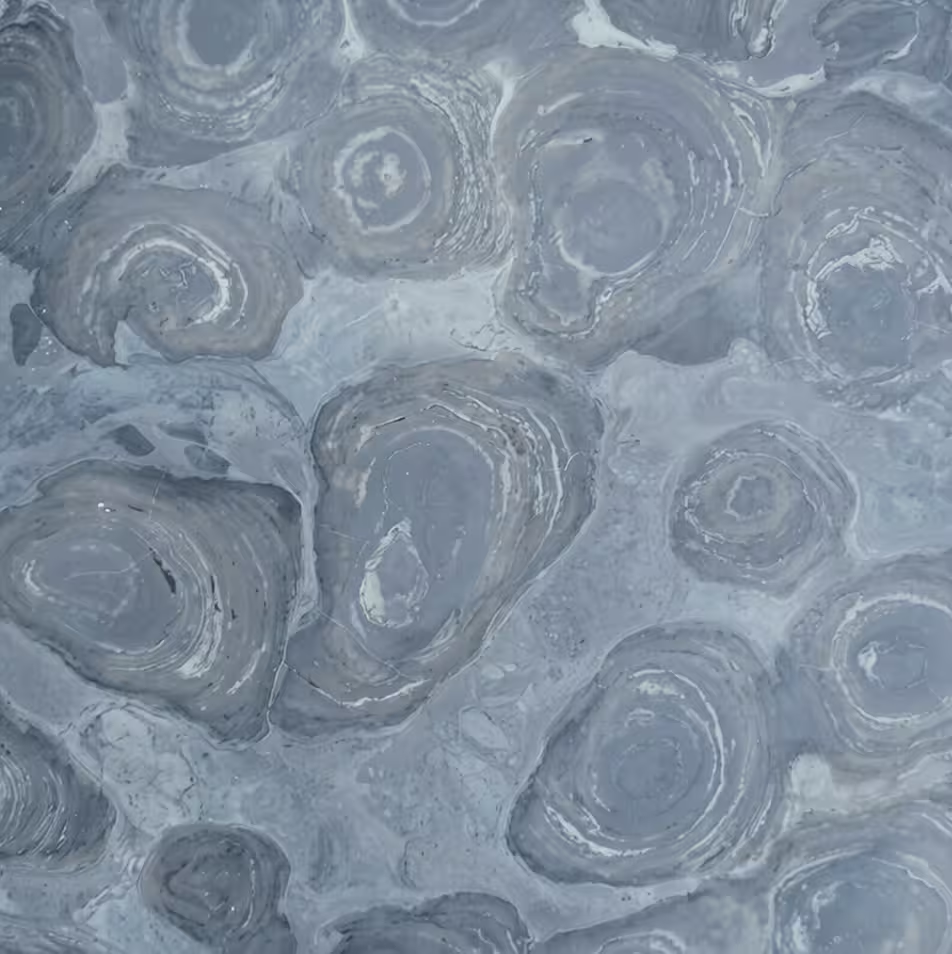
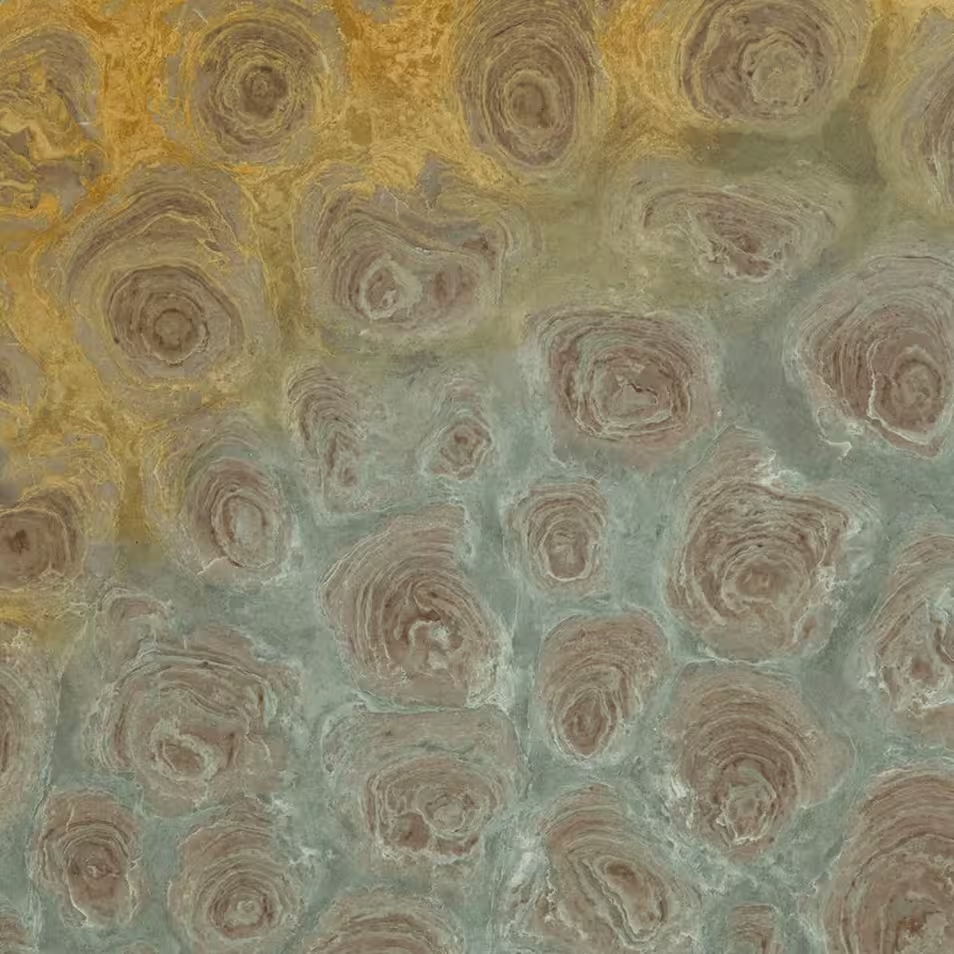
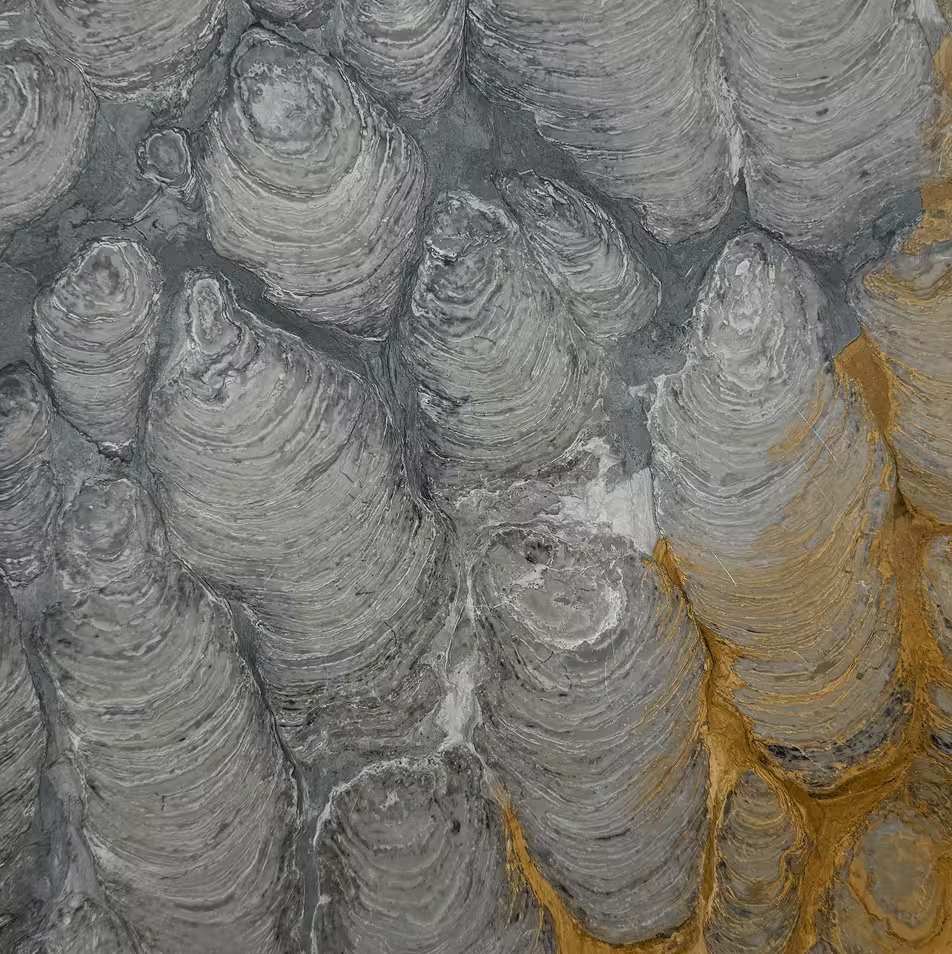
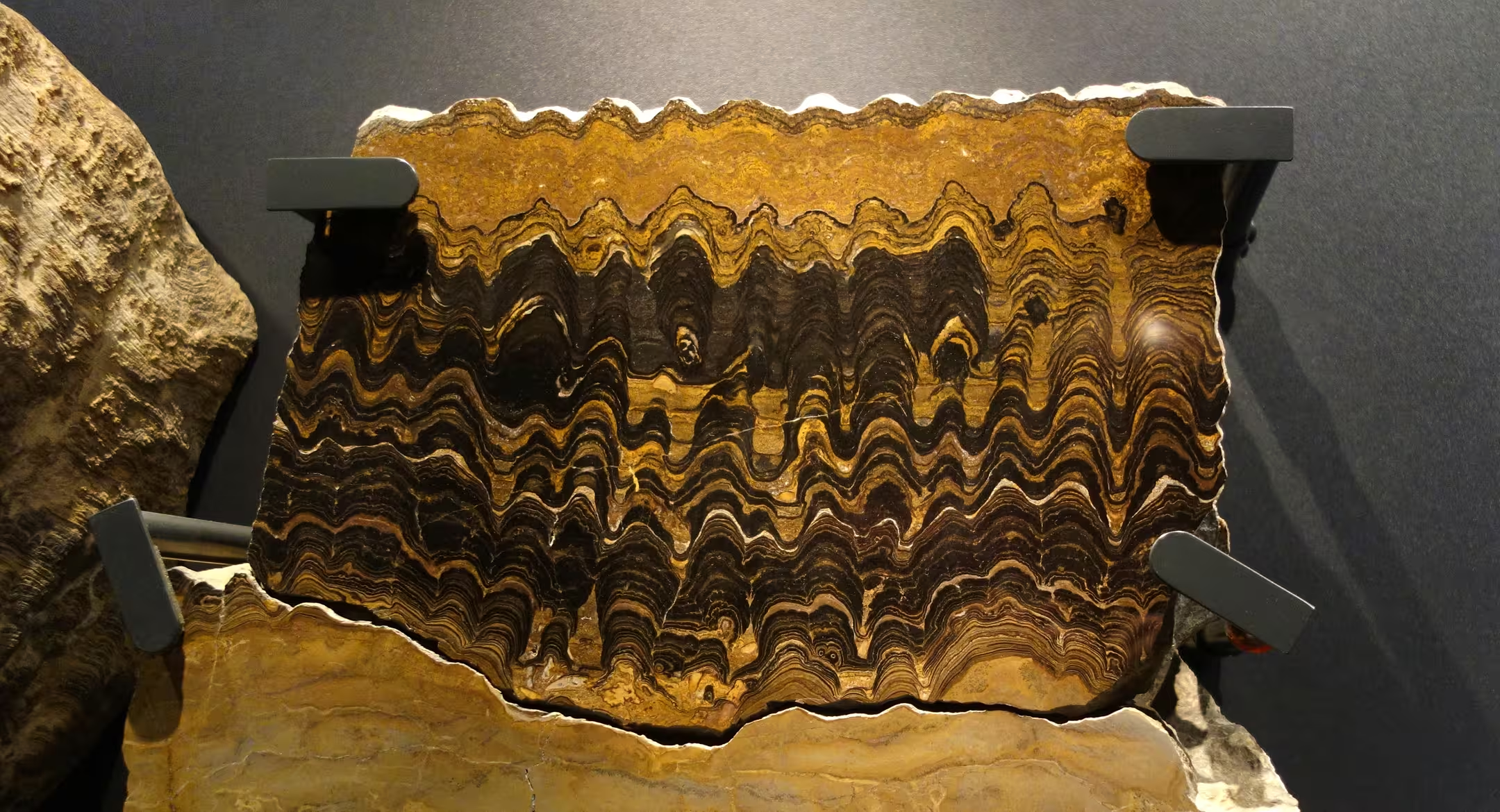
The columnar structure of the stromatolites is revealed differently depending on the direction in which the block is cut.
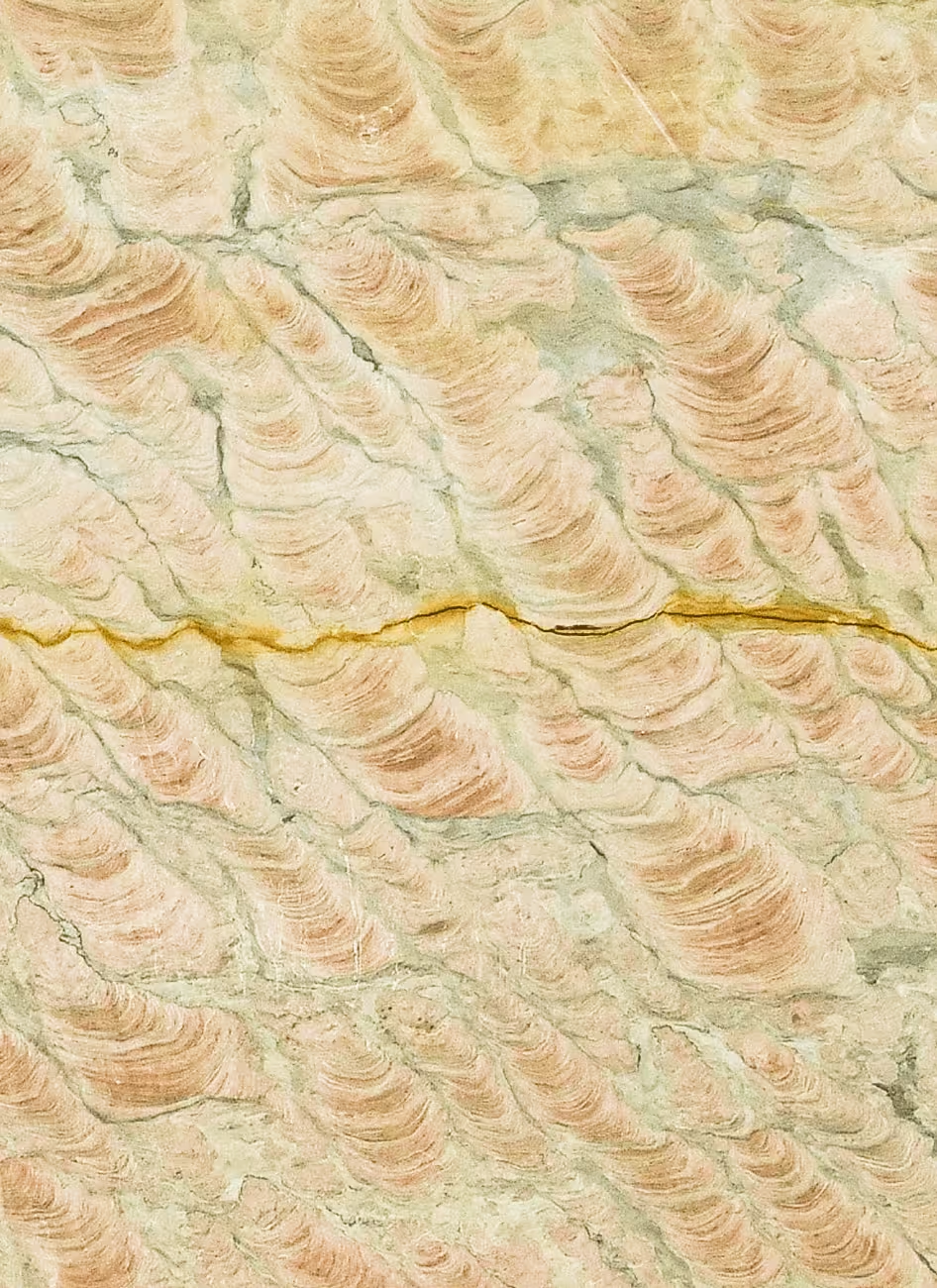
Vein-cut
Vein-cut sections reveal the columns as elongated, layered forms that follow their direction of growth.
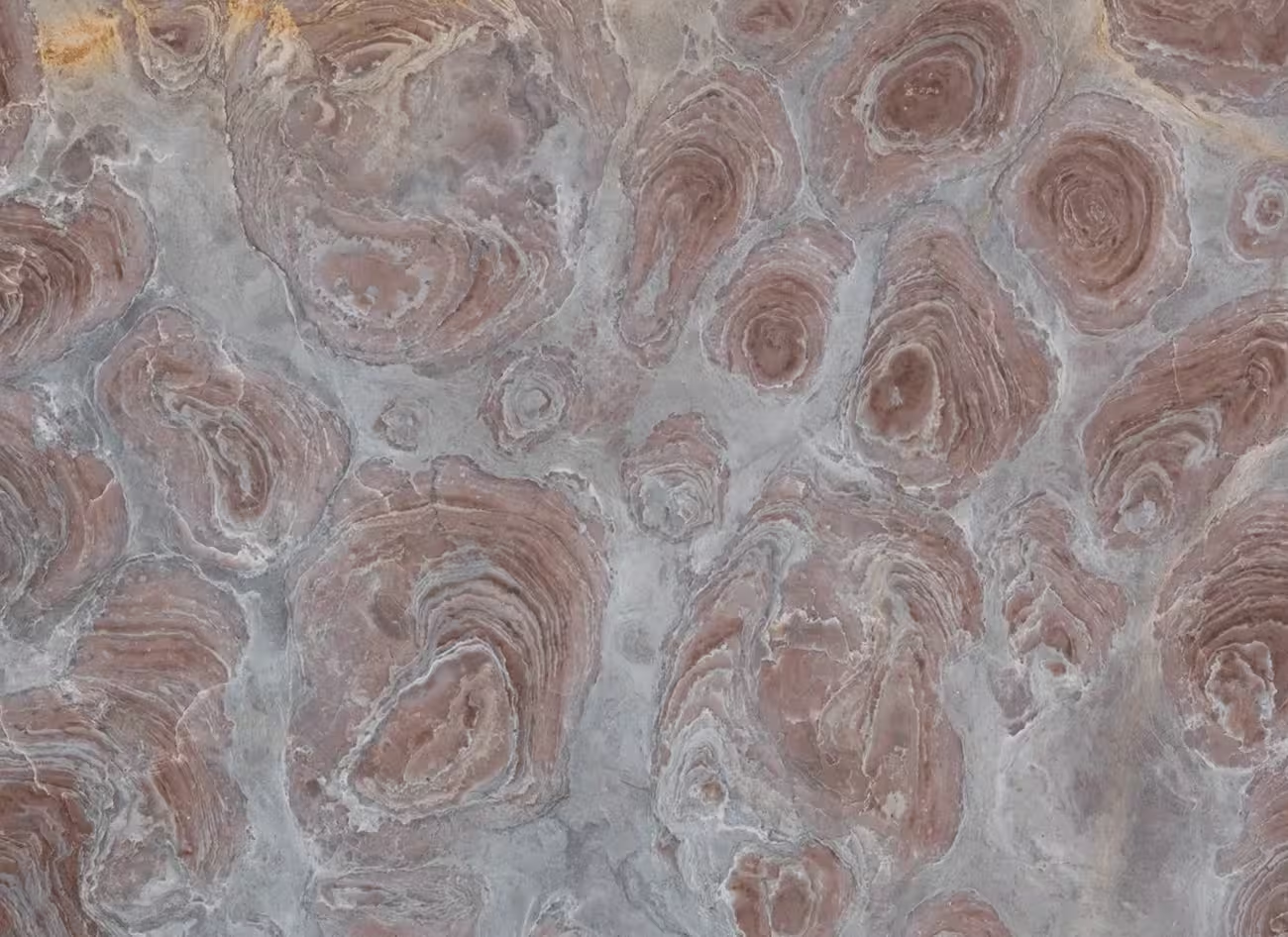
Cross-cut
Cross-cut sections reveal the columns in rounded and concentric formations.
Almost every decorative stone owes its figure to geology — veining, brecciation, crystal growth. Riphean Marble owes its figure to living organisms: the preserved growth rhythm of microbial mats that built the rock, layer by layer, on the floor of an ancient sea roughly one billion years ago.
Colour
(04)
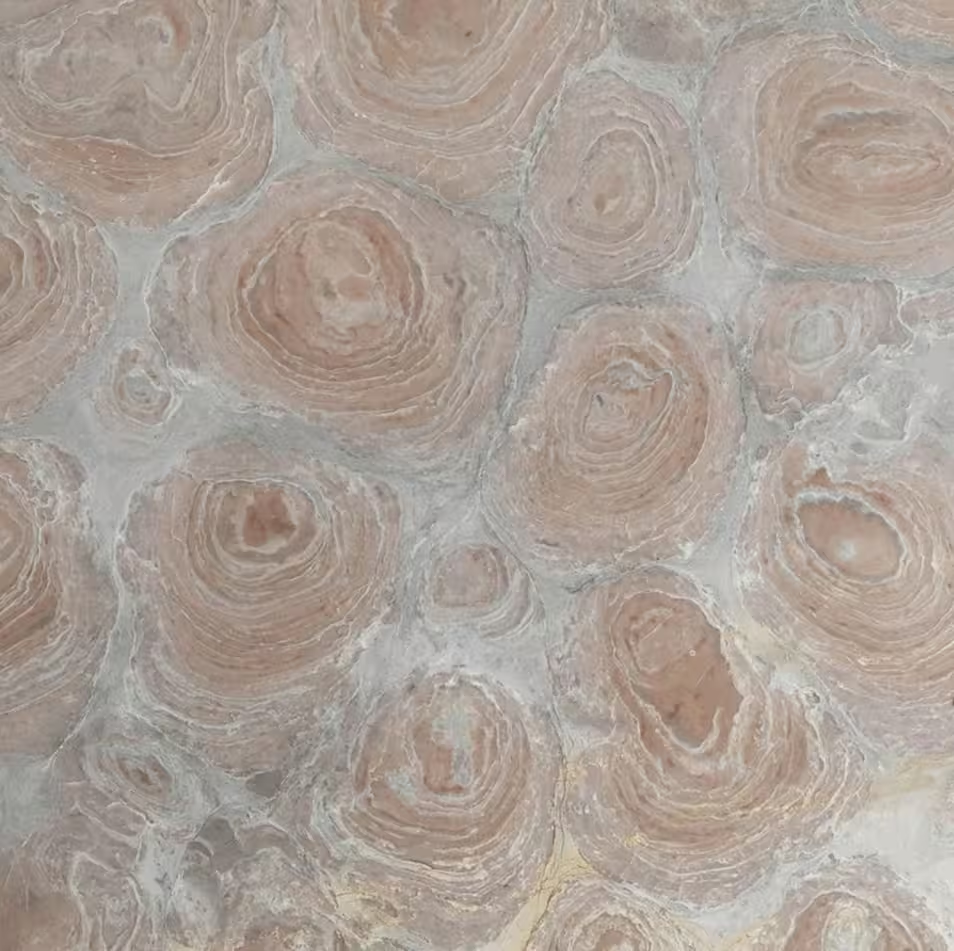
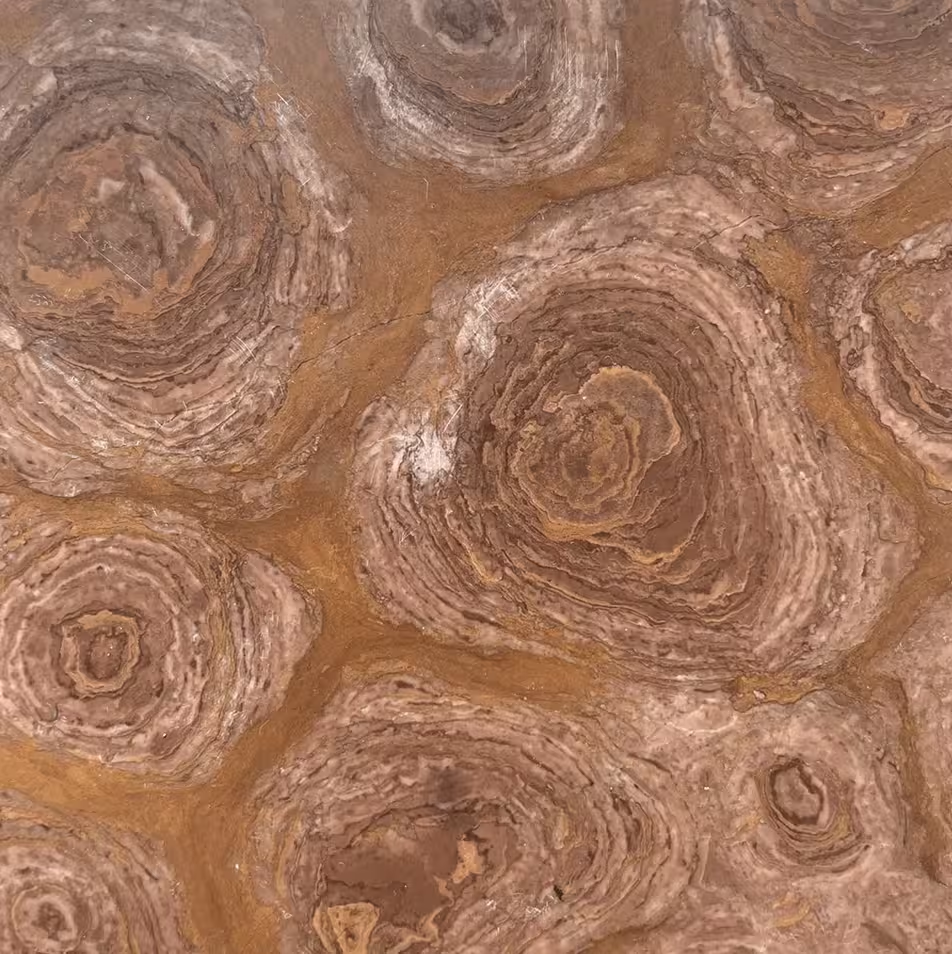
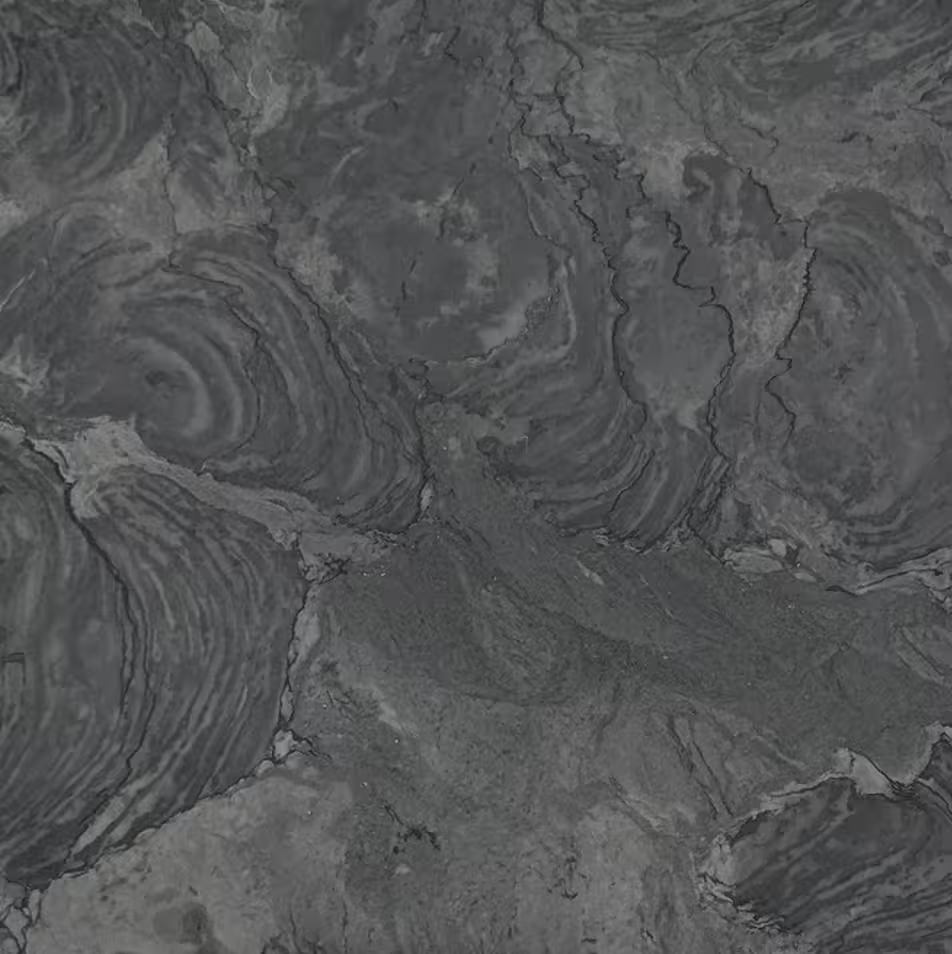
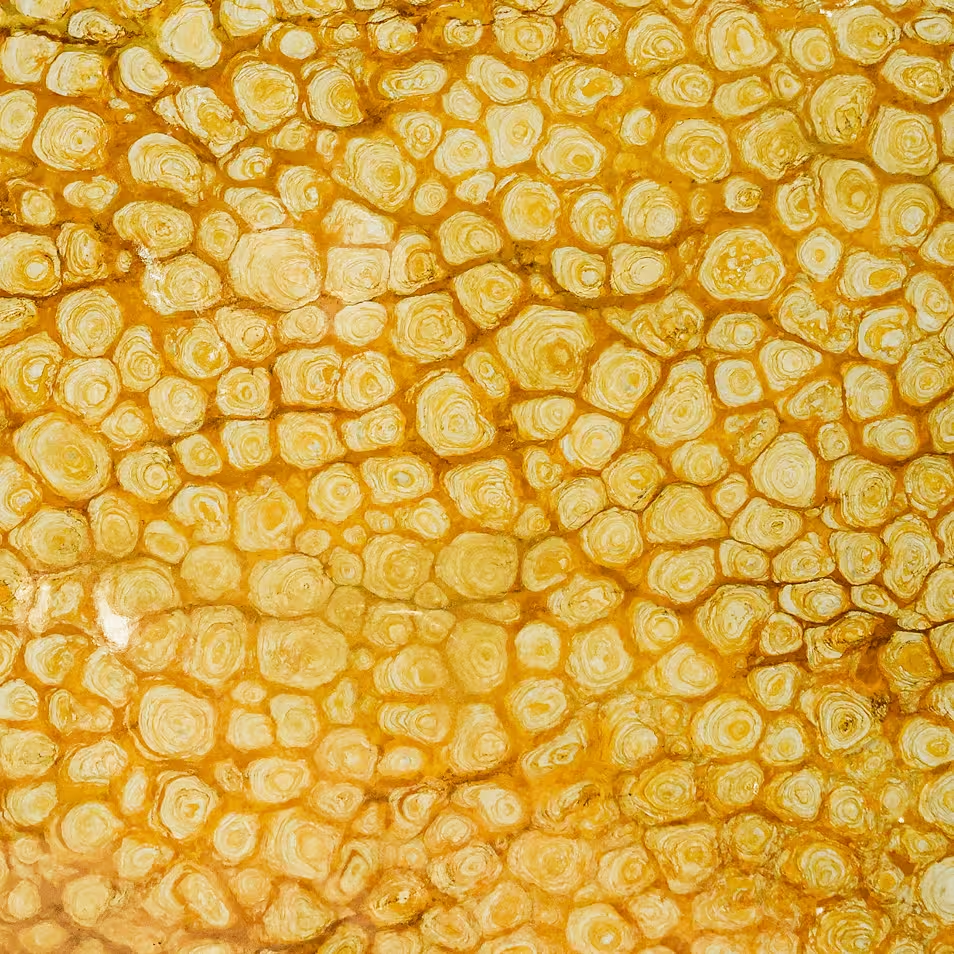
SELECT A COLOUR
.avif)
.avif)
.avif)
Colour varies naturally from block to block in tone, intensity and distribution. For larger projects, blocks are selected and matched individually for visual continuity.
Technical properties
(06)
Average density
2.69 g/cm³
Water absorption
0.23%
Dry compressive strength
105.34 MPa
Frost resistance
F200
Abrasion loss, LKI-3
0.79 g/cm²
WATER-SATURATED COMPRESSIVE STRENGTH
86.83 MPa
The stone is suitable for demanding interior and exterior applications, including wet areas.
Certificates
(07)
Laboratory Test Report
Independent laboratory testing of the stone’s physical and mechanical properties against specified technical requirements.
CERTIFICATE OF CONFORMITY
Voluntary certification confirming that the stone meets specified technical requirements for facing and architectural products.
GEOLOGICAL AGE CONCLUSION
Scientific conclusion establishing the age of the Katav Formation at the Annovskoye deposit at 938–964 million years.
Origin
(08)
Riphean Marble is a stromatolitic limestone quarried at the Annovskoye deposit in the Ural Mountains, Russia, scientifically dated to 938–964 million years.
Its name comes from the Riphean, a period in Earth’s history that lasted from about 1.75 billion to 600 million years ago. During this period, around one billion years ago, the limestone formed layer by layer beneath an ancient sea.
Hundreds of millions of years later, the formation and erosion of the Ural Mountains exposed these ancient layers. Today, the Annovskoye deposit lies within this same geological landscape and remains the source of Riphean Marble.
The name also echoes the mythical Riphean Mountains of the ancient world — distant northern peaks later associated with the Urals and believed to be the home of Boreas, the north wind.
.avif)
Formation
(09)
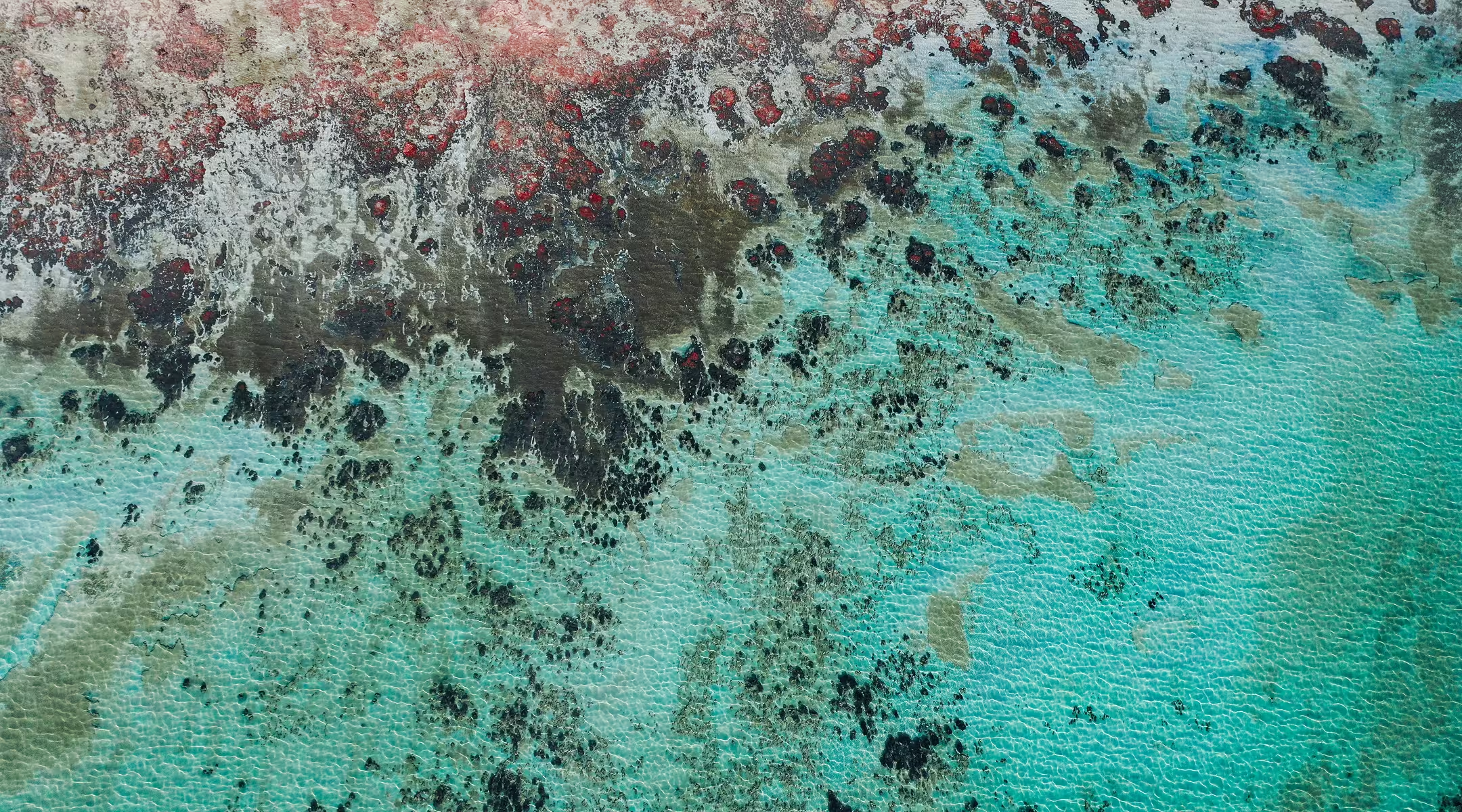
The stone was formed through the growth of stromatolites — layered sedimentary structures shaped by ancient microbial communities, a form of life whose origins reach back to the earliest chapters of Earth’s history.
Around one billion years ago, on the floor of an ancient sea, microorganisms formed thin living mats that trapped fine sediment and helped carbonate minerals accumulate. As this process repeated, the stromatolites grew layer by layer, preserving the rhythm of their growth within the stone.
Rarity
(10)
Riphean Marble is exceptionally ancient even among decorative natural stones. Yet its greater rarity lies in its form: stromatolitic rocks are almost never available as full-scale architectural material and are more commonly encountered as small geological or collector specimens.
Riphean Marble comes from one of the only known commercially worked deposits capable of yielding visually expressive stromatolitic limestone in architectural blocks and slabs. Its physical and mechanical properties are comparable to those of established architectural marbles, bringing this exceptionally ancient biological pattern into practical architectural use.
ArchitectuRal Applications
(11)
Suitable for interior and exterior surfaces, architectural elements and bespoke decorative objects. Its natural pattern allows the stone to work both as an architectural surface and as a distinctive visual feature within a space.
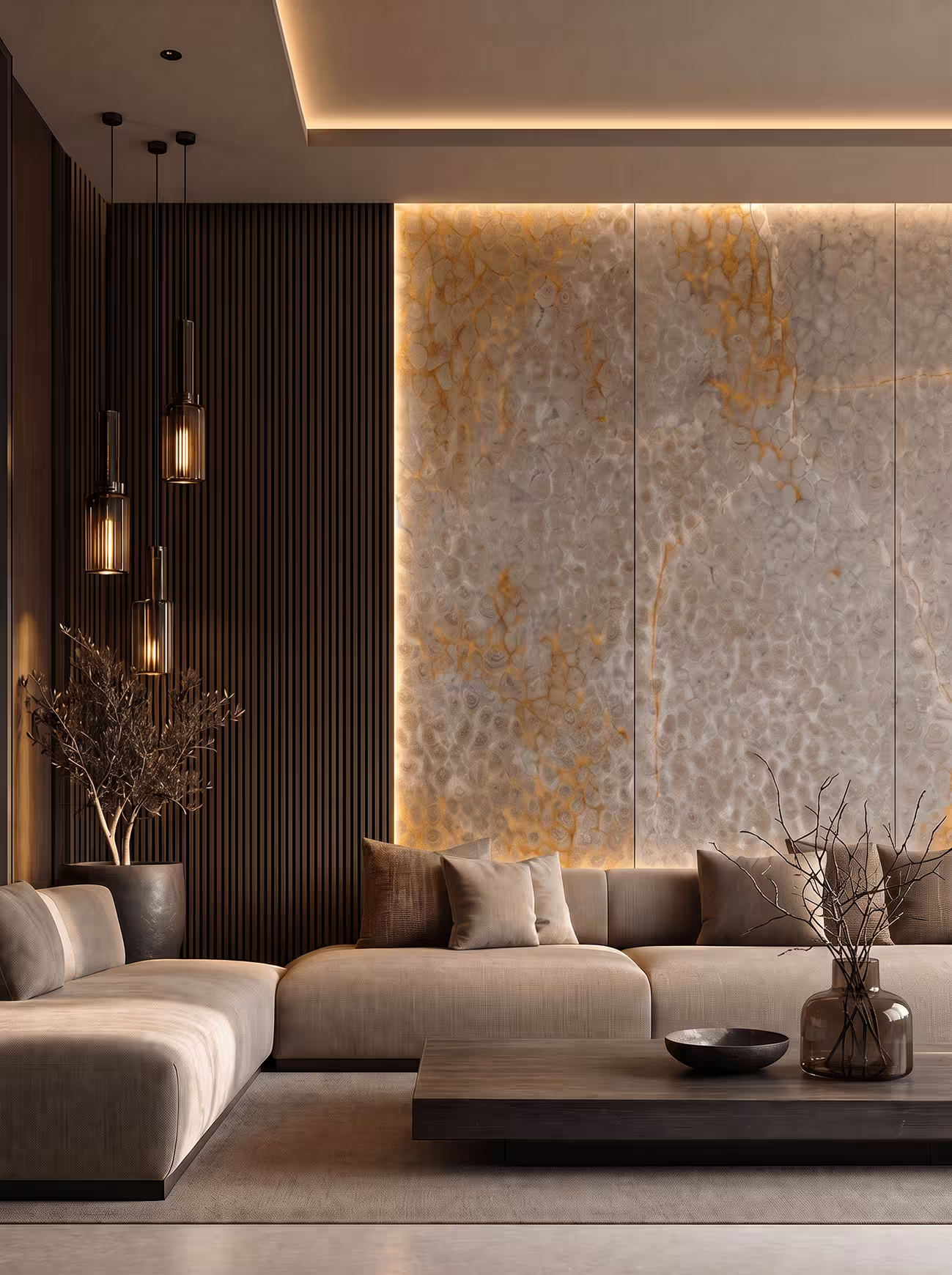
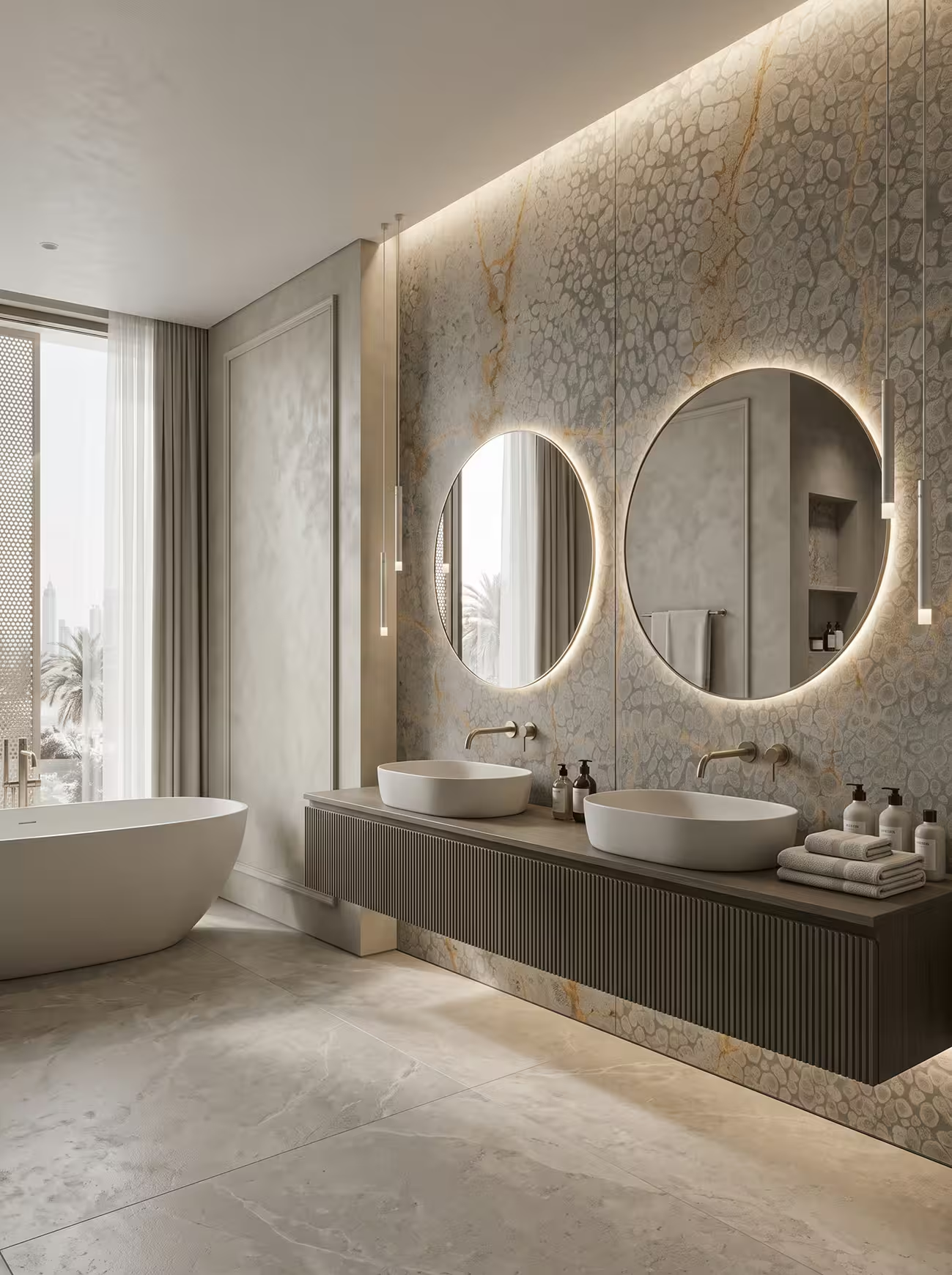
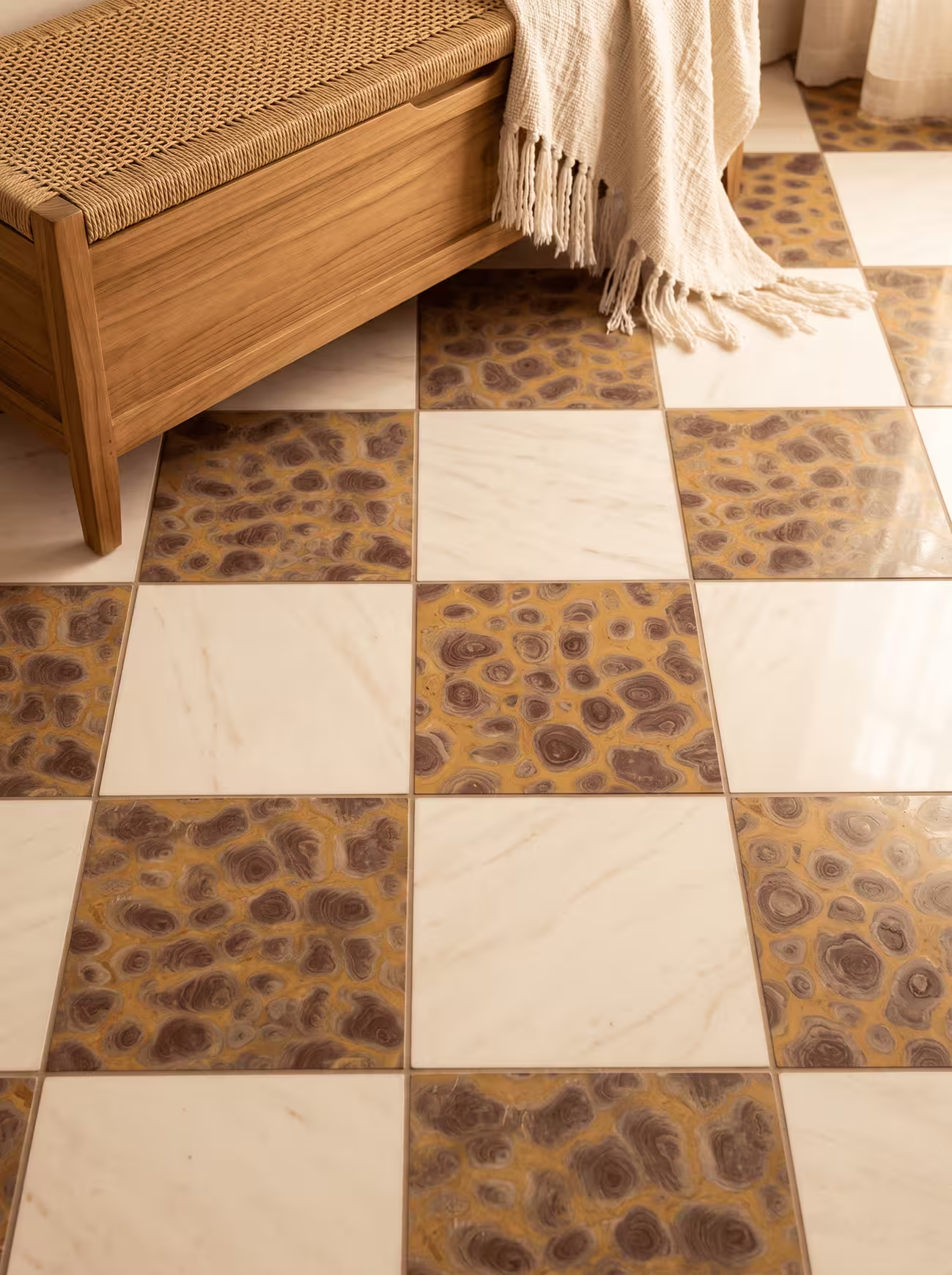
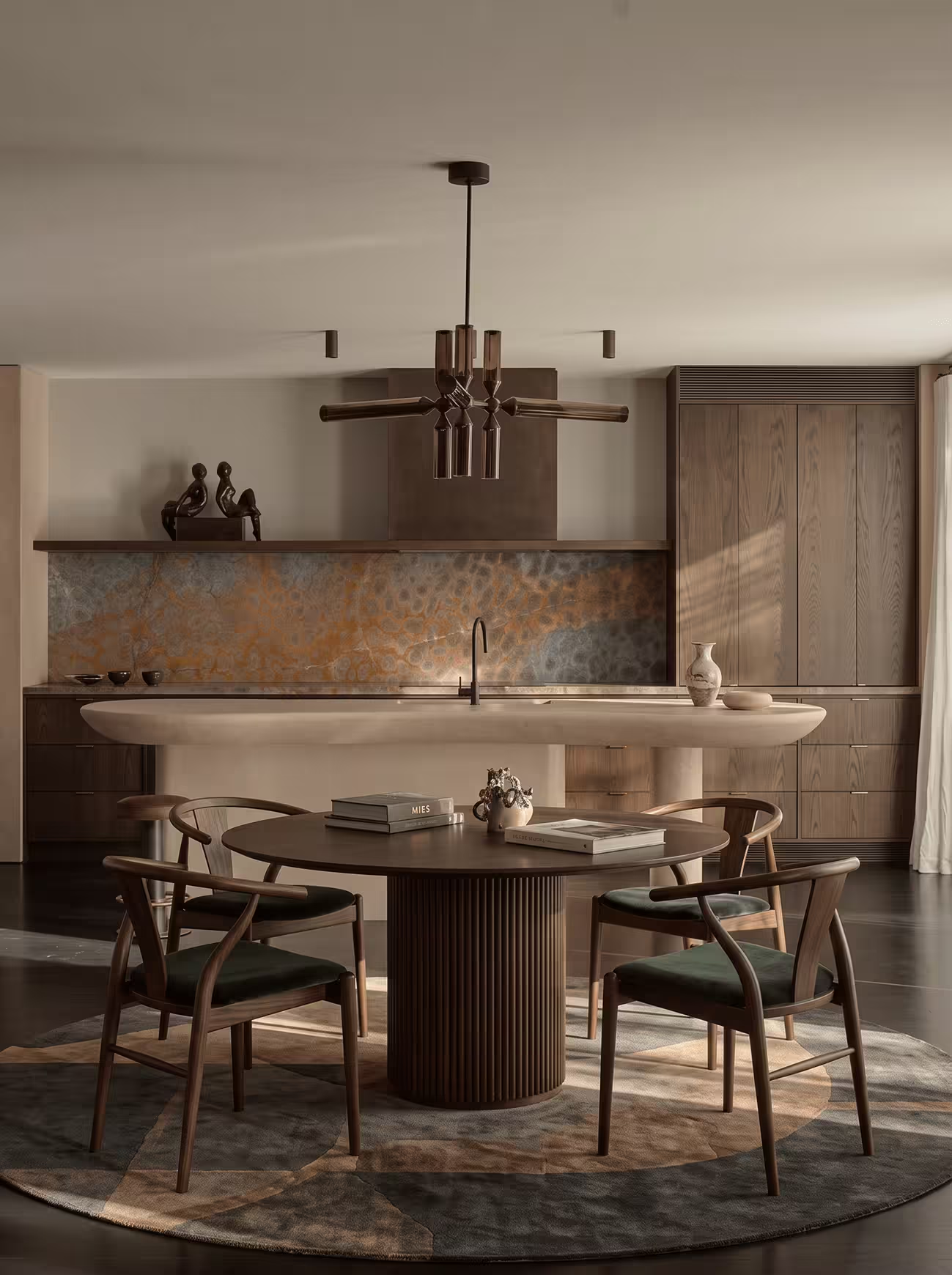
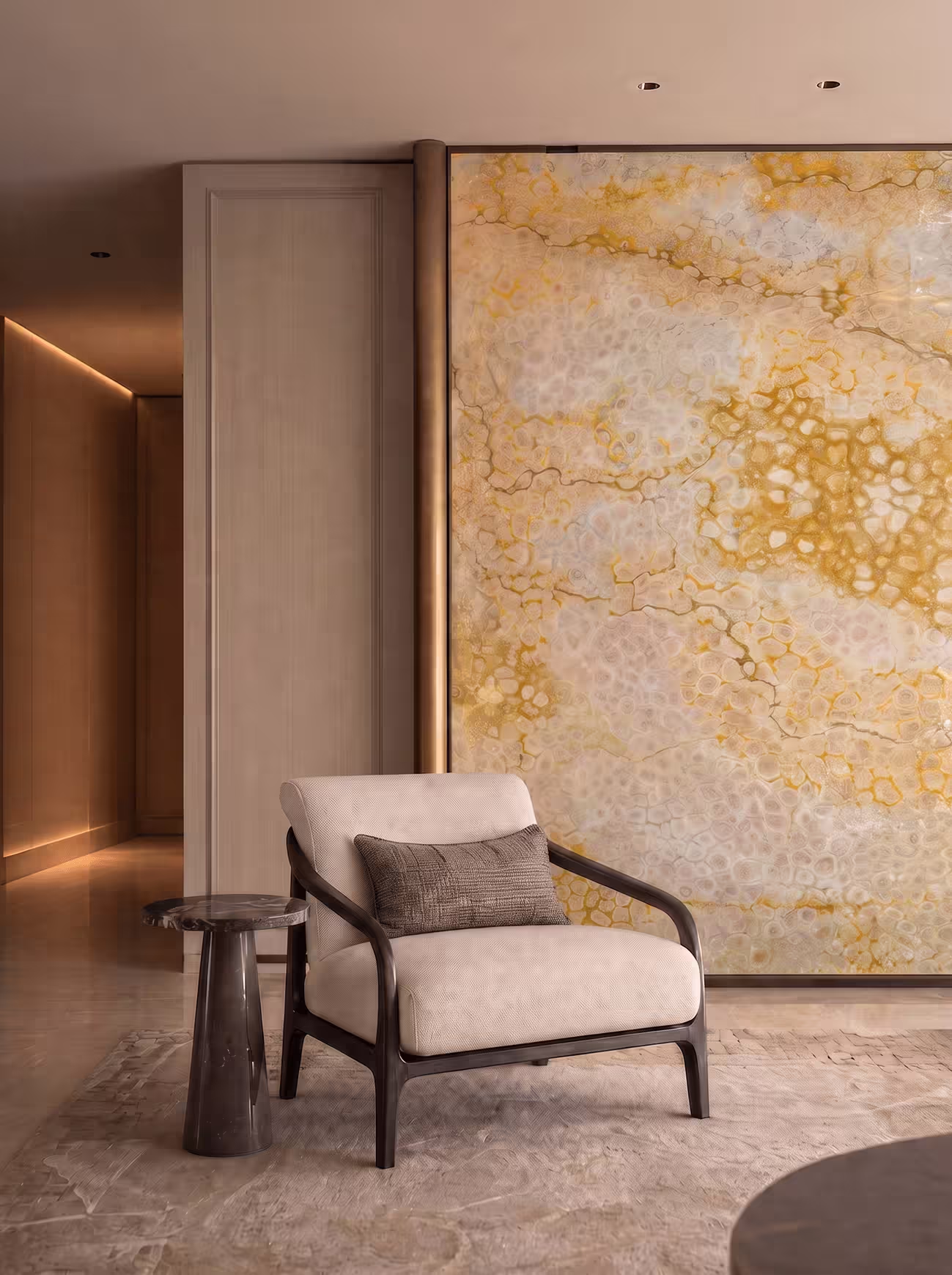
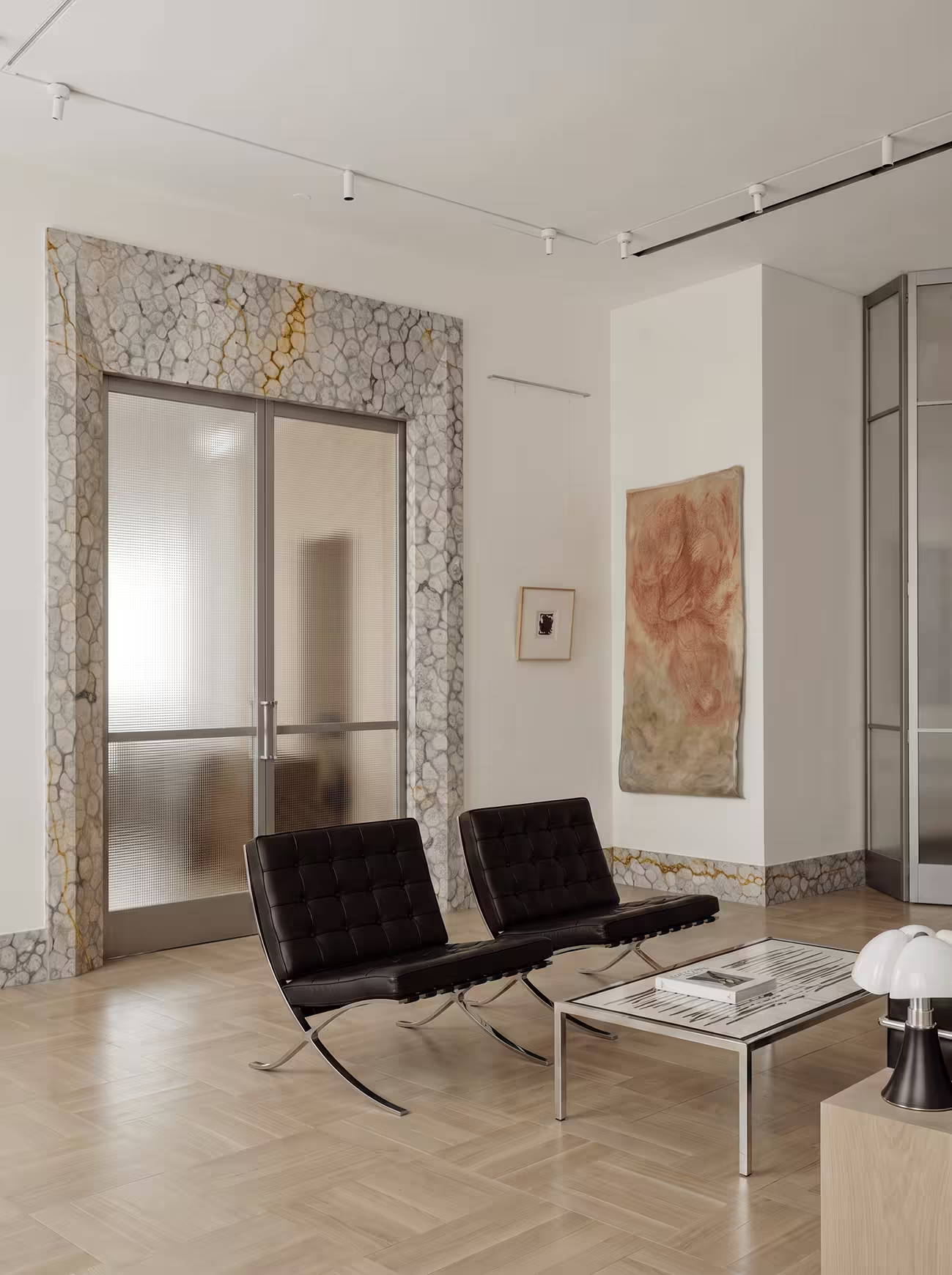
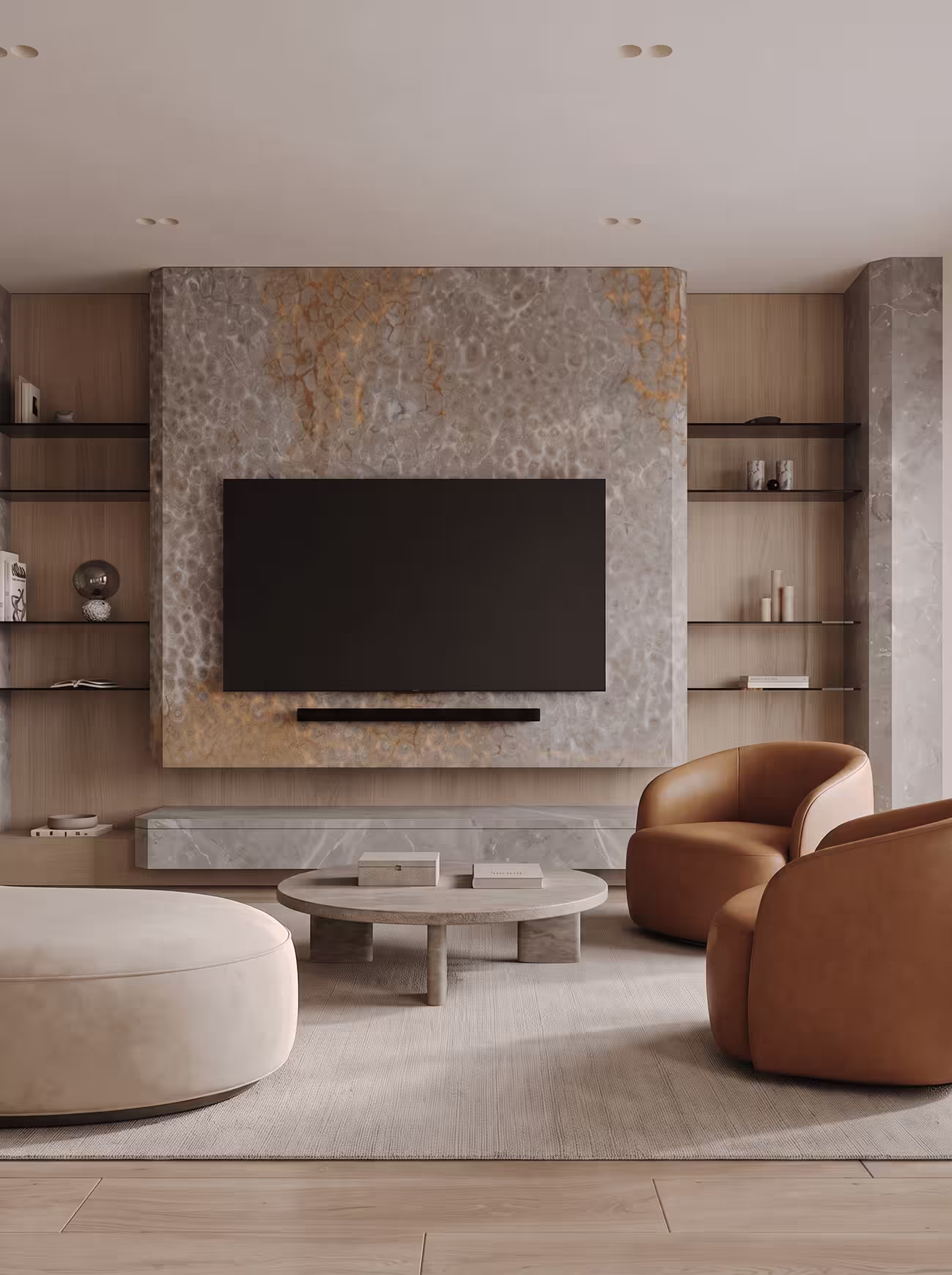
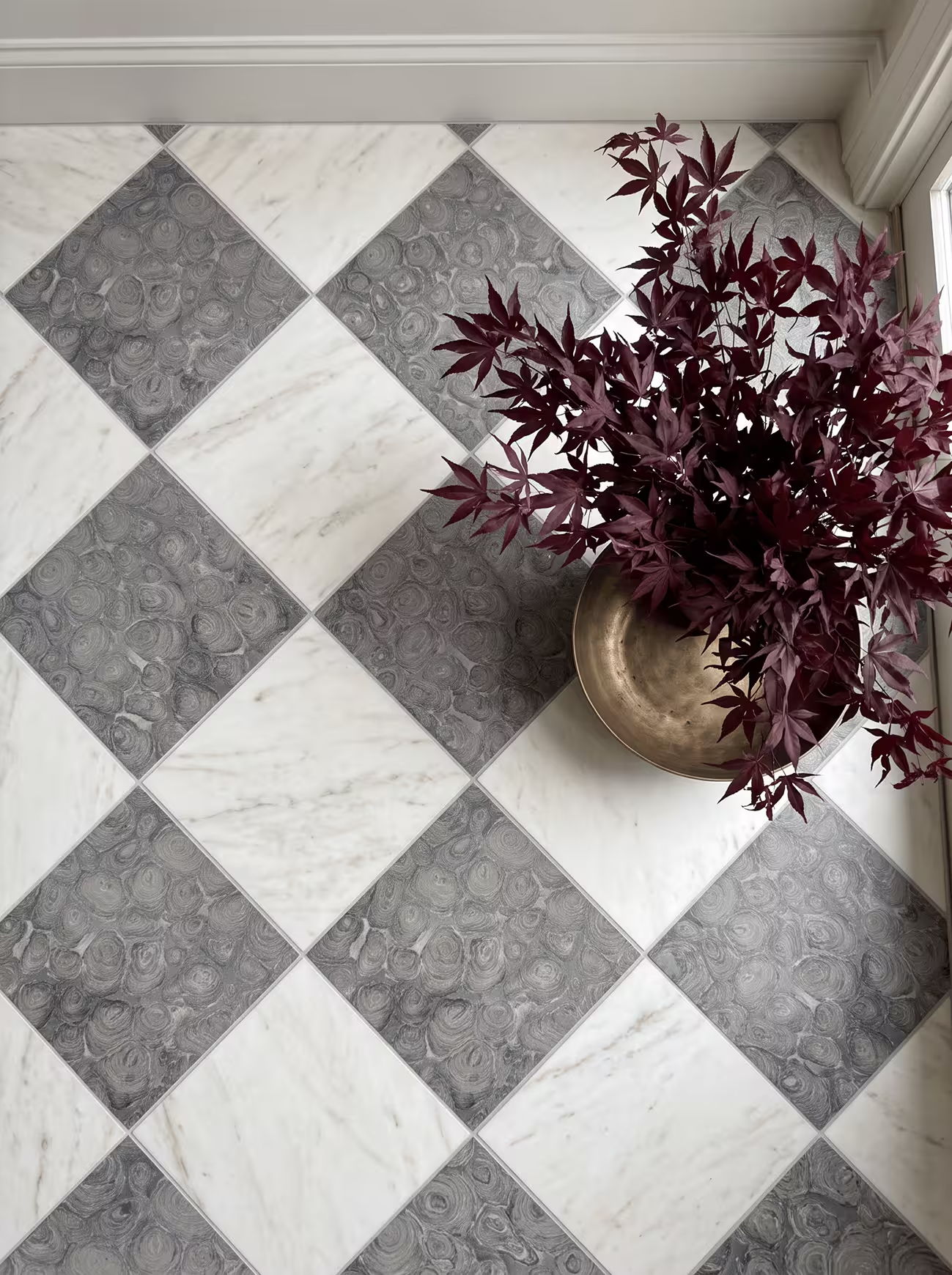
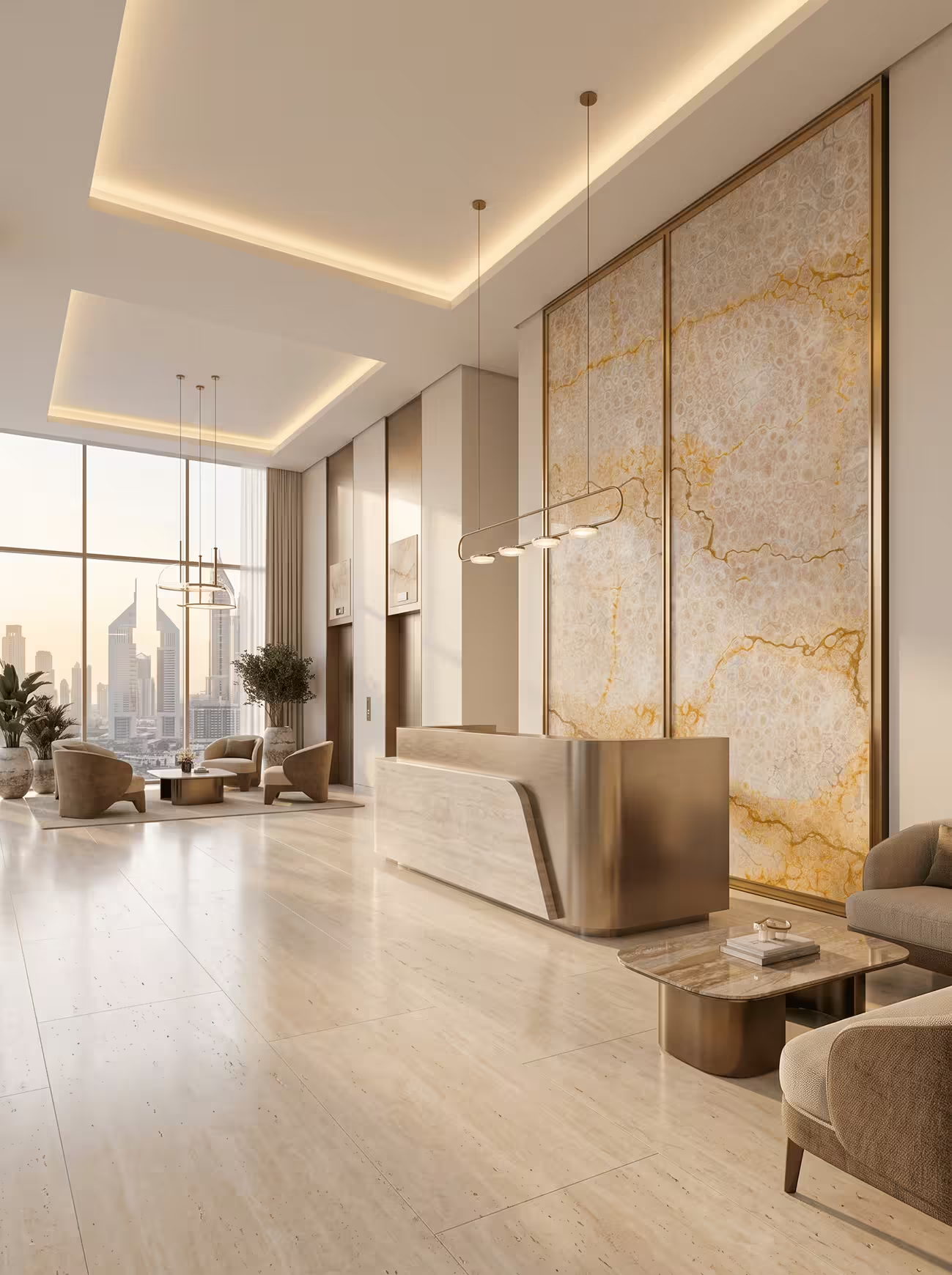
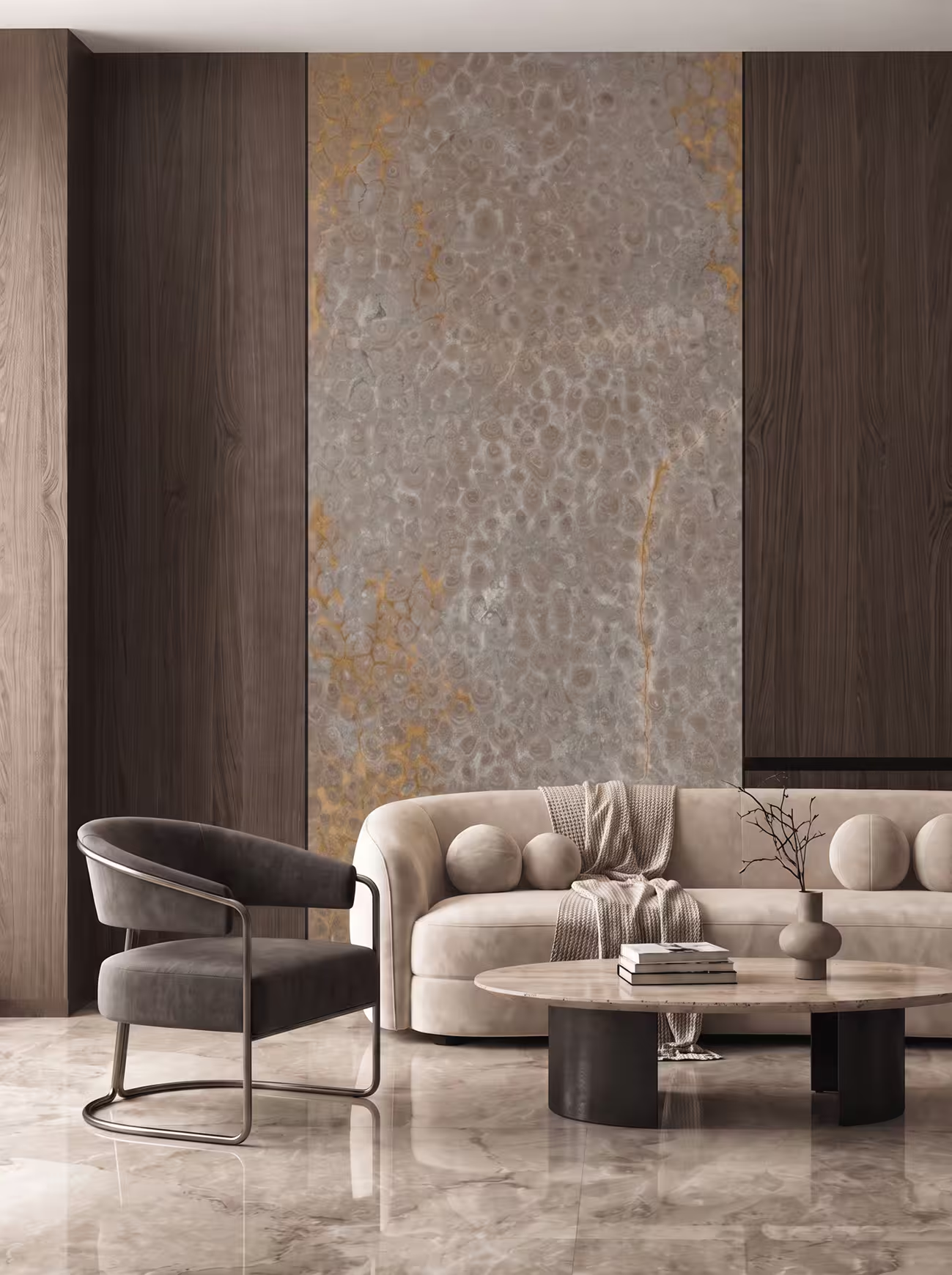
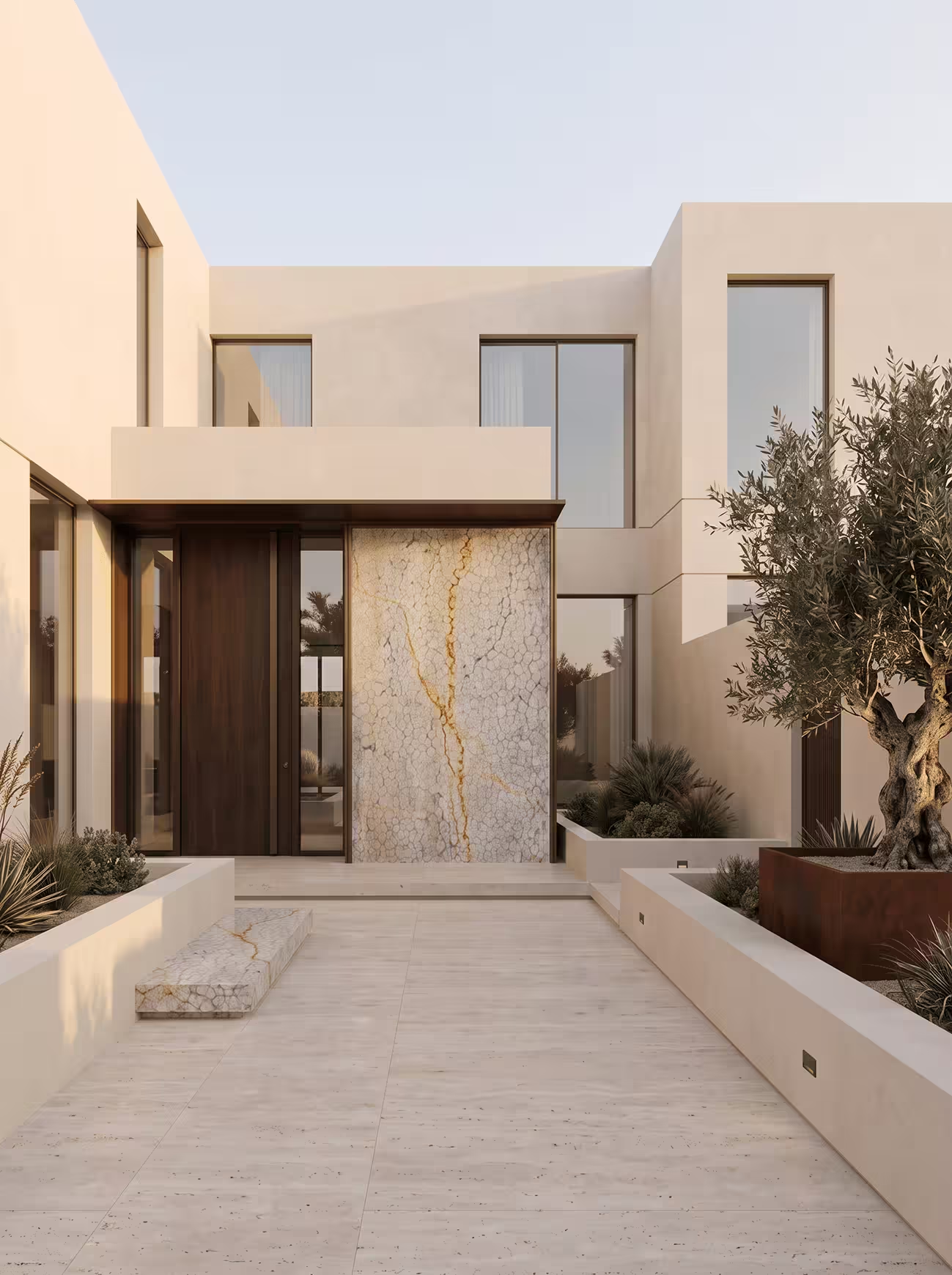
Concept visuals are shown for illustrative purposes only and are intended to demonstrate potential applications of the material.
Get in Touch
(12)
RIPHEAN NATURAL STONE TRADING LLC
Dubai, UAE
Head Office & International Sales
Head Office & International Sales
Email:
INFO@RIPHEAN.AECALL / WHATSAPP:
+971 54 428 8244